Why 30×30 Depends on Local Leadership
The ocean is under pressure like never before. Yet the solutions are neither unknown nor out of reach. They already exist in our communities, along our coastlines, in the waters that sustain our people, and in the decisions we make every day about how natural resources are used, governed, and protected.
We are members of Coastal 500, the world’s largest network of mayors and local government leaders committed to ocean protection and coastal resilience. As we reflect on the 11th Our Ocean Conference in Kenya, we were encouraged to see local leaders on the stage. But a clear message has stayed with us: global ocean ambition will not succeed unless it is backed by local power, local capacity, and direct investment in frontline communities.
For too long, ocean policy has been shaped from the top down. Commitments are announced in global forums while implementation is left to local governments, coastal communities, small-scale fishers, Indigenous peoples, women, youth, and frontline institutions that are too often expected to deliver without the authority, financing or practical support they need. While we have seen changes in this status quo, the gap between ambition and implementation is not closing fast enough, and it is costing us time we do not have.
The truth is, local leaders are already demonstrating what effective ocean protection looks like.
A GROWING MOVEMENT FOR THE OCEAN
In just five years, our network has grown to over 500 members across countries, cultures, and coastlines. That growth reflects a simple but powerful truth: coastal communities are not waiting for solutions – they are creating them. We are not asking for permission to protect the places our people depend on. We are taking responsibility for them. A healthy coastal ecosystem is not separate from our economies, food security, safety, culture, or dignity. It is the foundation of all of them.
This growing network also means coastal leaders are no longer working in isolation. We are sharing knowledge, strengthening one another’s leadership, scaling successful approaches, and building a collective voice for community-led ocean protection. Solutions developed in one part of the world can now inform action in another, accelerating progress towards shared goals.
It means that communities, too often treated as beneficiaries of global decisions, are increasingly shaping those decisions. And it means that together, we are building the political willpower needed to turn global ocean ambition into real, measurable progress.
Across our communities, that evolution is already underway. In the Philippines, mayors are championing a national bill to strengthen community-led enforcement of marine protection. In Honduras, mayors have partnered with local communities to protect and enhance management for more than 1.4 million hectares of coastal waters and are pushing for replication across the entire Honduran north shore. In Mozambique, local government leaders are pushing for ocean governance that includes and is shaped by local communities. In Brazil, municipalities are embedding ocean priorities into local climate action plans, aligning conservation with resilience and development.
These initiatives may begin locally, but their impact extends far beyond national borders. They demonstrate what is possible when local leaders are empowered to act – and why achieving 30×30 will ultimately depend on investing in the people and communities already delivering conservation on the ground.
THE URGENCY FOR SUPPORT
The global community has committed to protecting at least 30%of the ocean by 2030. We share that ambition. But with less than five years left, that goal will not be achieved through declarations alone, and protection on paper is not enough. A marine protected area without enforcement is not protection. A management plan without funding or community buy-in is not functional. A global commitment that does not account for local institutions is not sustainable.
That is why the international community must move beyond recognizing local leadership and begin resourcing it at the scale this moment demands. Too often, resources are pledged in our name but remain out of our reach. Communities are celebrated in speeches but excluded from decisions about funding, governance, and implementation. Local leaders are invited to tell their stories, but are not given the tools to scale their solutions.
That must change.
We call on national governments, international institutions, development banks, and funders to support the local governance systems that make effective ocean protection possible. That means designing finance mechanisms that fit the realities of coastal municipalities and frontline communities, not just for large institutions with the staff and systems to navigate complex global finance. This includes funding practical support structures such as planning, staffing, monitoring, enforcement, data management, legal authority, and community engagement. Above all, it means ensuring that the people who depend on the ocean every day – including fishers, women, youth, and community organizations – have a meaningful role in shaping and stewarding the future of their marine resources.
Investing in local leadership is the most practical path to delivering global ocean goals. Local fishers know where illegal fishing is taking place. Communities know which reefs, mangroves, seagrass beds, and fisheries are most at risk. Local governments know which decisions will determine whether conservation strengthens livelihoods or creates conflict. And when communities have the authority, resources, and trust needed to lead, protection is stronger, fairer, and more durable.
THE NEXT WAVE OF 30×30 AMBITION
As members of Coastal 500, we are ready to do our part.
We will grow this movement – reaching new countries, new coastlines, and new leaders ready to act. We will deepen our engagement, strengthen our partnerships, and create more opportunities to share knowledge and solutions across our network. We will invest in strengthening our own capacity, equipping our teams and communities to deliver results.
We will continue to raise our voices in global spaces, ensuring that ocean and climate policies reflect the realities we face and the solutions we are advancing. We will work to unlock the financing needed to act at scale. And we will demonstrate that investment in local leadership delivers measurable 30×30 impact – for people and for nature.
But we cannot do this alone. Our commitment is to ensure that the future is one we can all depend on, and all the institutions, governments, and funders can help us deliver on that promise.
And to our fellow mayors and local leaders: join us. Stand with us in building a future where coastal communities are not only on the frontlines of change, but at the forefront of solutions.
About the authors
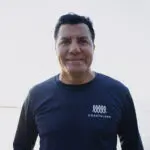
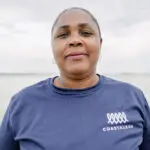
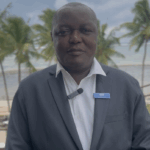
The authors are members of Coastal 500, a global network of more than 500 mayors and local government leaders committed to protecting ocean ecosystems and strengthening the resilience of coastal communities. Jubeta Mamudo Namaneque is Director of the District Services for Economic Activities in Ilha de Moçambique, Mozambique; João Bento Zampula is District Administrator of Mogincual, Nampula Province, Mozambique; Hugo Rene Sarceño Orellana is Mayor of Puerto Barrios, Guatemala; and Edreluisa “Lulu” Calonge is Mayor of Mabuhay, Zamboanga Sibugay, Philippines. Together, they represent coastal municipalities working to advance locally led ocean protection, food security, livelihoods, and community resilience.
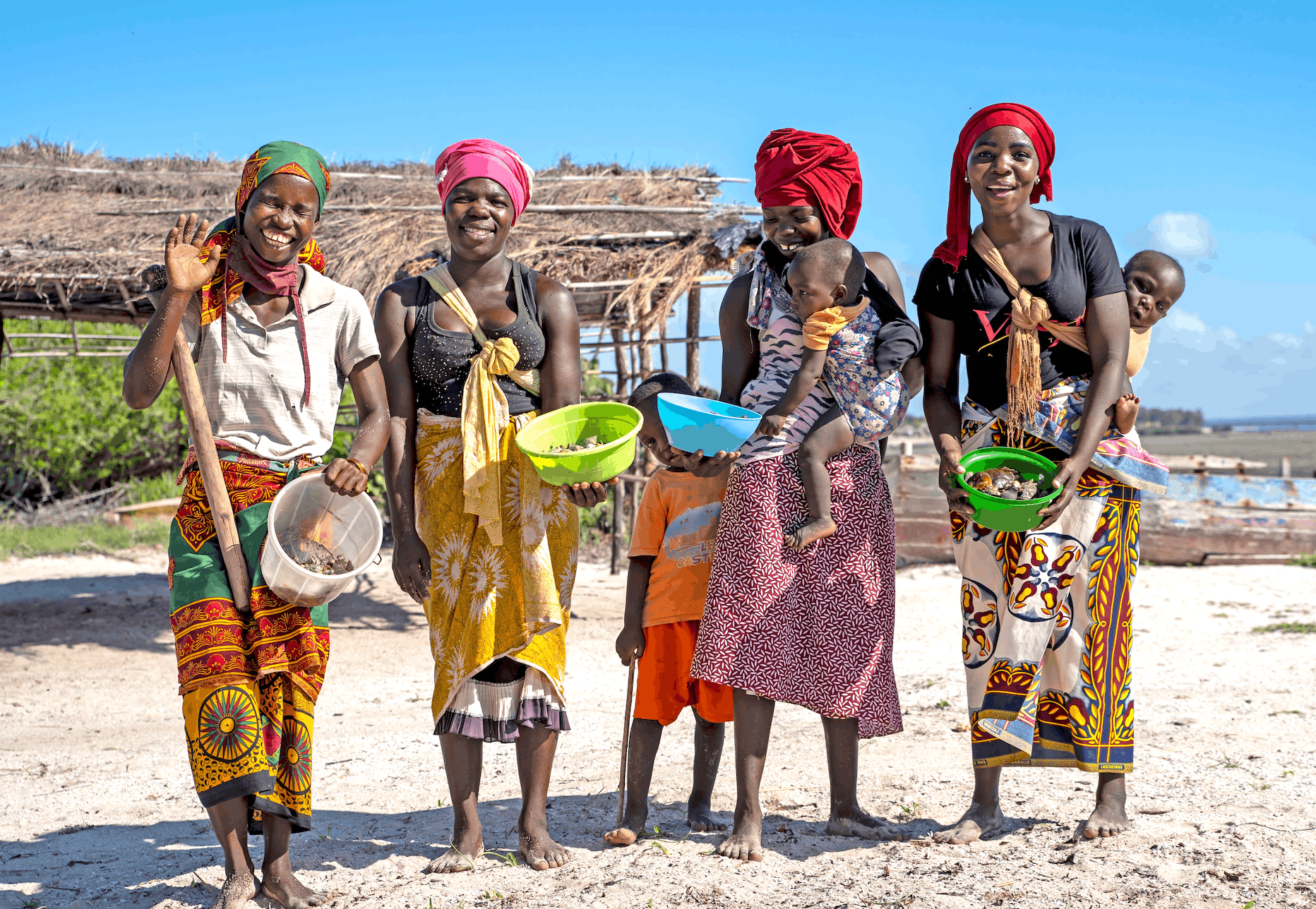
Header image: Fisherwomen collecting seafood on the beach. Ilha de Moçambique, Nampula Province, Mozambique. Photo by Anima Estúdio Criativo for Rare.

About the authors
Related content
 Four years to 2030: scaling effective ocean protection
 Our Ocean Conference: Why Kenya Is Calling on the World to Protect the Ocean
 From Kenya to the world: Why Communities Hold the Key to Ocean Protection
Share this article
using #ForTheOcean