30×30 starts locally: Why ocean finance must reach conservation organizations
Kenya will soon host the 11th Our Ocean Conference – the first time this global gathering will be held in Africa, and fittingly, in the heart of the Western Indian Ocean. The conference comes at a moment of renewed attention on marine protection, biodiversity, and the global 30×30 nature protection target. While attention focuses on the scale of new commitments and investments, a more pressing question remains for those of us working on the frontlines of ocean conservation: are these resources reaching the water’s edge where communities and organizations are doing the work of protecting the ocean?
THE OCEAN FINANCE PARADOX
While investment in marine conservation has increased in recent years, locally-led marine conservation organizations like ours receive only a fraction of it. The funding landscape is still structured in ways that favour much larger international organizations, predominantly headquartered in the West, where most conservation funding originates. In our experience, little of that funding reaches the local level. Local organizations receive less than 10% of global philanthropic conservation funding, yet rely on international actors and intermediaries for more than 80% of what resources they access. This is a proximity problem, and a critical barrier to achieving 30×30.
The funding gap runs deeper than most acknowledge. Marine ecosystems receive just 14% of international conservation funding despite the ocean covering 71% of the planet. Current ocean protection finance amounts to $1.2 billion against a need of 15.8 billion. Even within that, Indigenous locally-led initiatives receive less than 1% of global climate funding. When commitments are made, little reaches the ground: only 2.1% of the funds pledged under the $1.7 billion Glasgow Leaders’ Declaration reached local communities directly.
Too often, local organizations are trusted to deliver results but not trusted with the resources to do so effectively. Funding frequently passes through multiple intermediaries and, along the way, resources can be diluted, priorities can shift, and decision-making can become disconnected from local realities. Unless more funding reaches the point of impact directly, there is a real risk not only to biodiversity, but also to the livelihoods, food security, and wellbeing of millions of coastal people.
Local organizations offer something that cannot be outsourced: long-standing relationships, local legitimacy, and a deep understanding of place. We have spent decades working alongside fishers, government agencies, traditional authorities, researchers, and industry. We understand the histories, governance structures, cultural values, and everyday challenges that shape how marine resources are used and protected. This knowledge and trust are the foundations of conservation that is effective, lasting, and locally owned.
30X30 DEPENDS ON COMMUNITIES, NOT JUST MARINE PROTECTED AREAS
Achieving 30×30 will require more than expanding the network of marine protected areas. To deliver meaningful and lasting ocean conservation outcomes, funding must flow closer to the ground, where its impact can be greatest. Local organizations play a critical role in bridging policy and practice, working alongside communities to protect, restore, and sustainably manage marine ecosystems. Effective and sustainable ocean conservation requires forging consensus, understanding uses of the marine space and its trade-offs, designing management measures, and enforcing compliance. If 30×30 is the cooking pot, then communities, governments, and local organizations are the three stones that support it. Remove any one of them, and the pot – and everything it contains – can no longer stand.
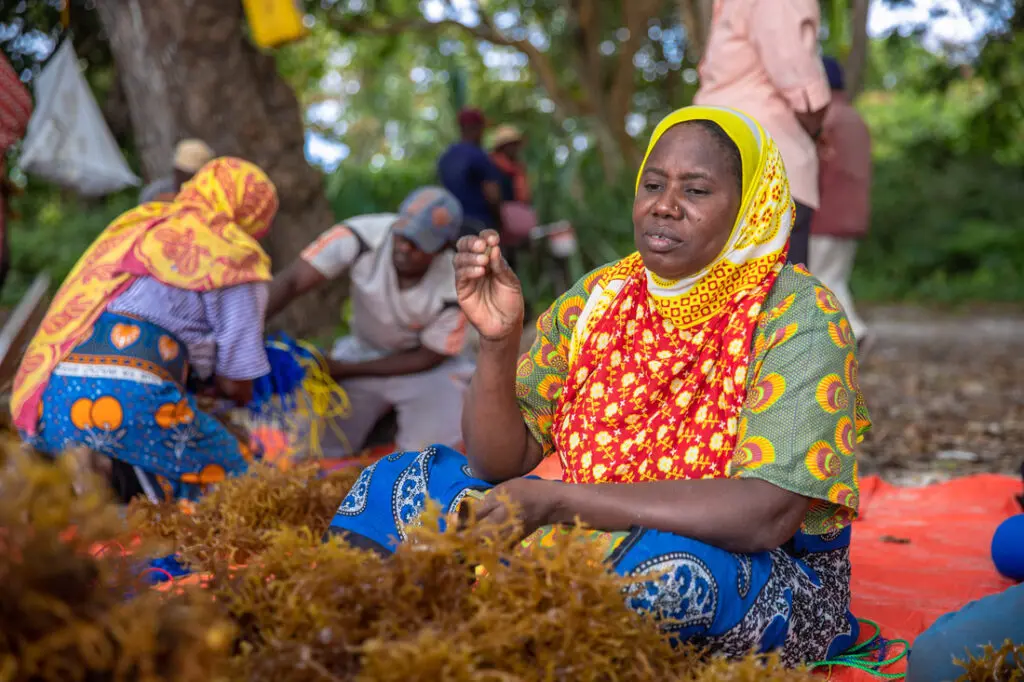
We are already delivering results, and our impact contributes to our nations’ marine protection targets. At COMRED, we have spent 20 years working across 126,771 hectares on Kenya’s southern coast, supporting 15 community Beach Management Units who are now digitising their data, enabling critical decision-making in fisheries management, running an eco-credit model with 950 members, and more than tripling mangrove honey production.
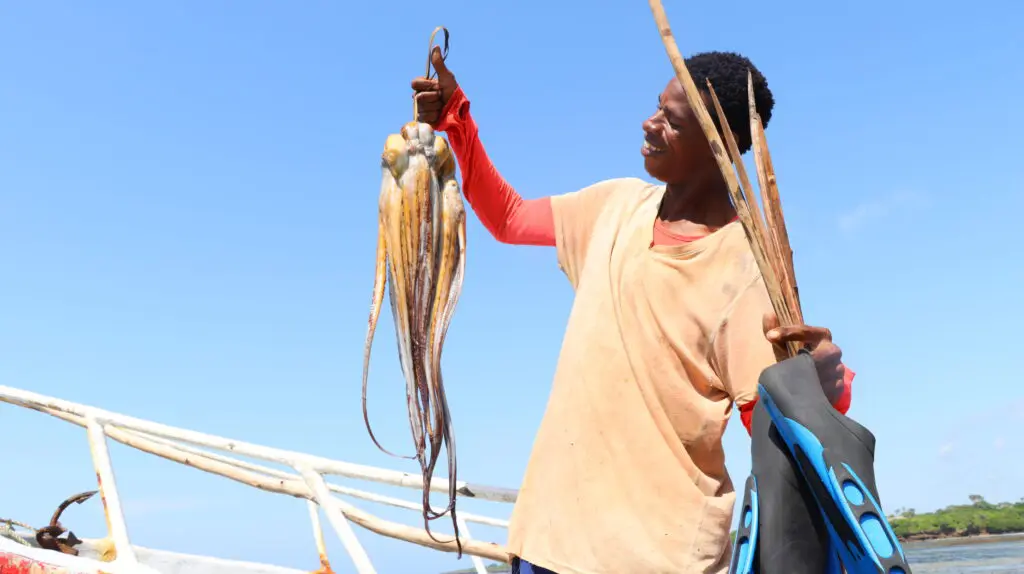
At Ocean Revolution Mozambique, we have restored 3420km² of seagrass and 15 hectares of mangroves by reviving Mukhedzisseli – traditional ecological knowledge that aligns directly with ecological mapping of the species in these ecosystems – and are advancing plans for two more Community Management Fishing Areas.
The Namibia Nature Foundation is supporting our government in securing the future of its first marine protected area (MPA), the Namibian Islands’ Marine Protected Area (NIMPA), Africa’s second-largest MPA, covering 9,500 km², that is also habitat for endangered African penguin and seabird species, while also supporting coastal livelihoods in Lüderitz, Namibia’s historic southern fishing town.
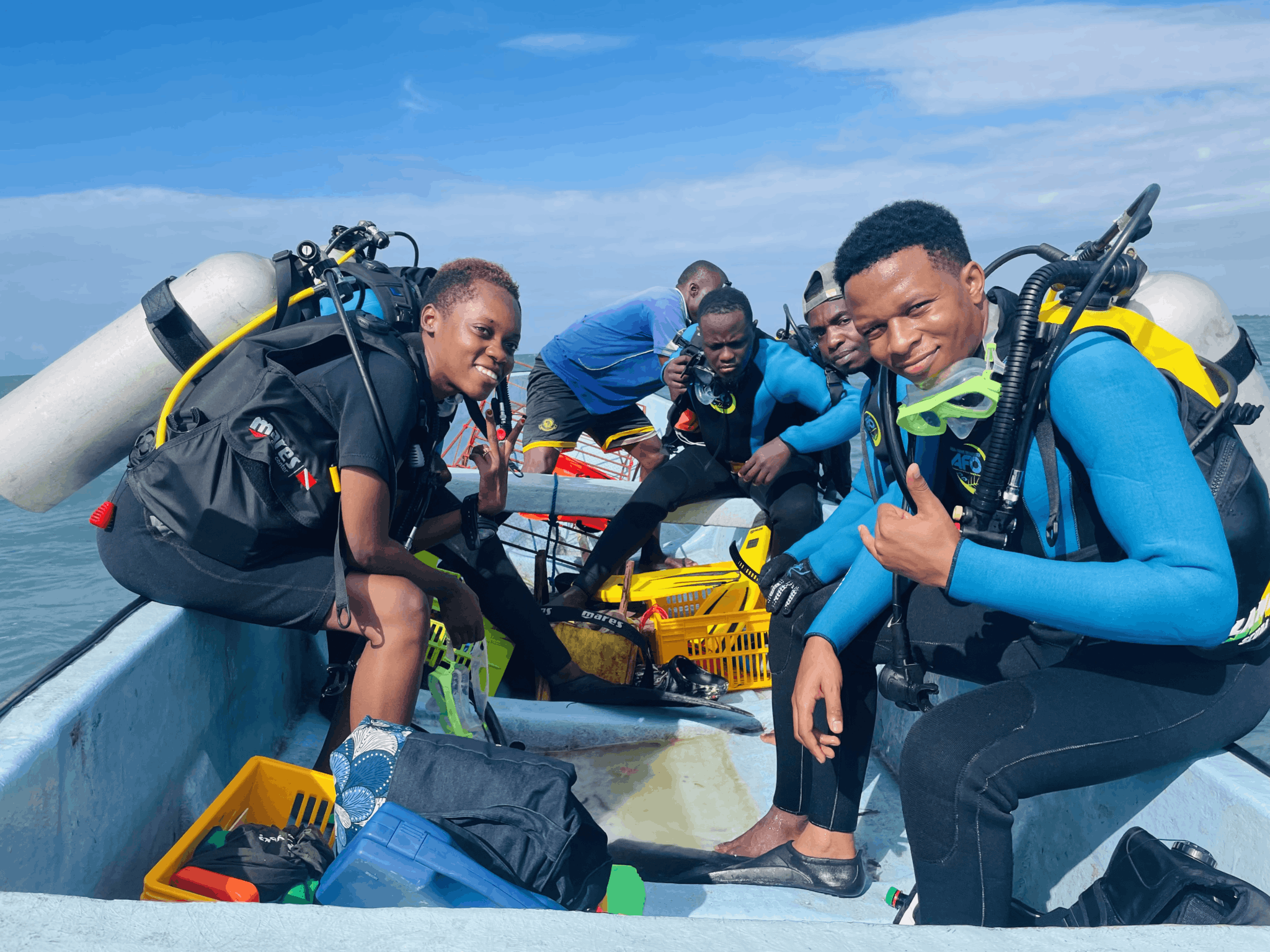
Action For Ocean’s new carbon program has brought 8,000 hectares of mangroves under long-term conservation across 13 community marine management areas.
WHAT MEANINGFUL SUPPORT REALLY LOOKS LIKE
Meaningful support looks different from what currently exists. It is not simply a question of more finance, but of better money – flexible, long-term funding that enables local organizations to strengthen their impact and build resilience to external shocks such as the 2025 USAID dissolution. It means working alongside local actors to identify needs, close capacity gaps, and provide the resources, training, and tools required for lasting change. Just as importantly, it means moving beyond short-term project cycles towards sustained financial and technical support. Without sustained investment in local institutions, gains achieved through short-term projects often disappear once external funding ends. Change takes time. Community conservation is a long-term investment of both time and trust, but its results endure.
Local organizations are not beneficiaries of marine conservation finance. We are its vehicle. To us, Mombasa is not a neutral venue. We believe OOC 2026 can be a turning point if commitments recognize that local contributions are essential to achieving 30×30 – and resource them accordingly. Success should not be measured solely by the size of commitments, but by whether those resources reach the communities, organizations, and ecosystems they intend to support.
Right now, local organizations in Africa and beyond are delivering the greatest impact but remain among the least resourced. If governments, donors, and conservation partners commit to more direct financing, OOC 2026 could mark a shift from financing conservation around communities to financing conservation through communities.
Header image credit: Action For Ocean



About the authors
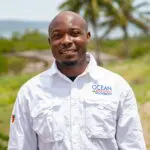
António de Sacramento Cabral is Executive Director of Ocean Revolution Mozambique (ORM), a UNDP 2022 Equator Prize-winning organization working at the intersection of traditional knowledge and marine science in Inhambane Bay. Drawing on 12 years of community-based conservation experience, he has helped establish 12 no-take zones spanning 3,000 hectares, restore over 5,000 hectares of seagrass and mangrove habitat, and revive indigenous stewardship practices that communities lost during Mozambique's civil war. A certified PADI dive instructor and trainer, Sacramento believes that communities, when trusted and supported, are the most powerful force for ocean protection.
Samantha MatjilaSamantha Matjila is a senior marine project coordinator at the Namibia Nature Foundation with over nine years of experience in sustainable fisheries, marine protected areas, and community-based conservation in Namibia and the Benguela Current region. She supports the Namibian Islands' Marine Protected Area - Africa's second largest MPA - and Namibia's broader 30x30 commitments. She is widely recognized for her leadership of the Albatross Task Force programme, which achieved a 98% reduction in seabird mortality in Namibia's commercial hake fishery.
Patrick KimaniPatrick Kimani is a founding Director at COMRED, an organization focused on building resilient coastal communities and environments through community-led marine governance and conservation. Drawing on 20 years of experience in the field, he works to strengthen communities' capacity to manage their marine resources while improving livelihoods. He is currently focused on expanding access to innovative financing solutions and diversifying livelihood opportunities to build resilience against climate shocks.
Jerry Mang’enaJerry Geofrey Mang'ena is Co-Founder and Executive Director of Action For Ocean (AFO), a youth-led organization advancing community-led marine conservation and sustainable fisheries across Tanzania. A Mandela Washington Fellow and recognized advocate for centering coastal communities in ocean decision-making, he has partnered with communities to establish locally managed marine areas, restore critical ecosystems, and develop innovative financing mechanisms that support both ocean health and livelihoods.
Related content
 Our Ocean Conference: Why Kenya Is Calling on the World to Protect the Ocean
 Why Capacity Development Determines the Future of Ocean Protection
 Investing in the Ocean: Financing the Path to 30×30
Share this article
using #ForTheOcean