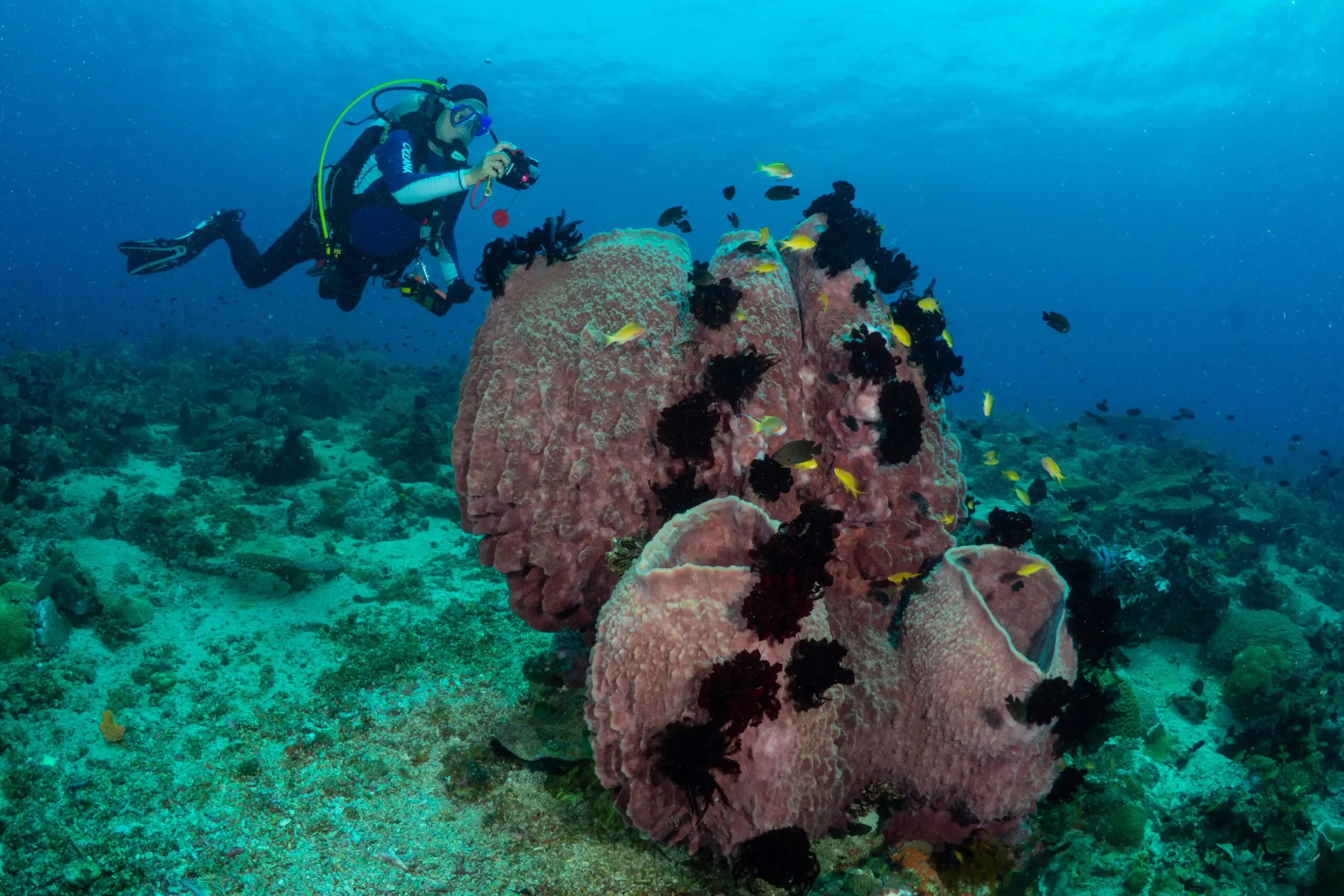
Panaon Island: Safeguarding one of the world’s most resilient reefs
The coral reefs, mangroves, and seagrass meadows of Panaon Island are a cornucopia of unique fish, invertebrates, and plant species that continue to face life-altering threats from illegal fishing and pollution to the impacts of climate change such as stronger typhoons and more frequent extreme weather events.
Fortunately, the Philippines has chosen to step forward as a champion of ocean conservation, designating 60,000 hectares of this precious habitat to a new Protected Seascape which will incorporate several pre-existing marine protected areas (MPAs).
This designation follows years of campaigning by an incredible coalition of community leaders, environmental activists, government allies, and our team at Oceana. Together, we presented the findings of our 21-day expedition and investigation of this biodiverse marine environment, which was critical to securing legal protections for Panaon Island under the Expanded National Integrated Protected Areas System (ENIPAS) Act.
A VITAL STEP FOR A PRECIOUS REEF
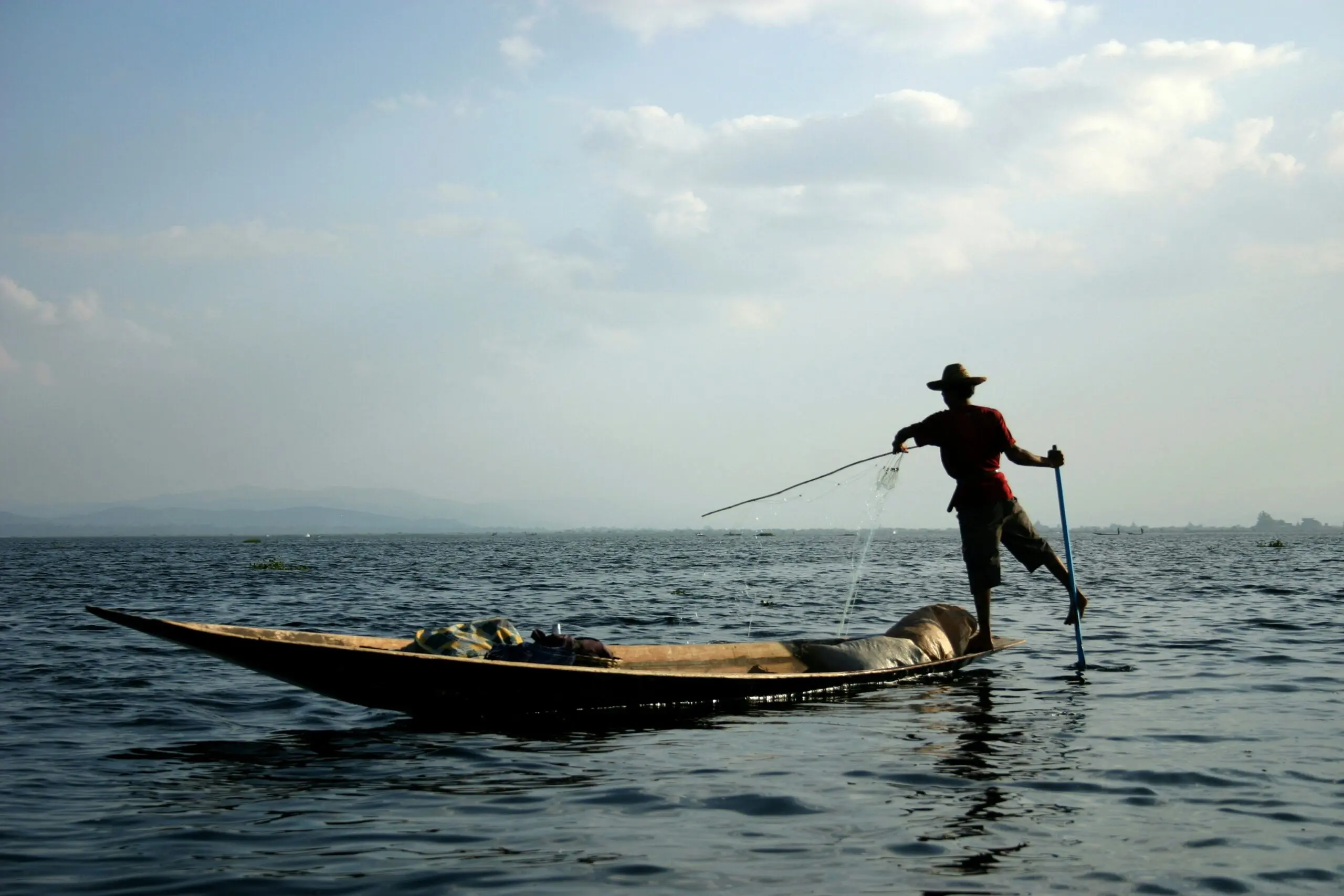
Panaon – a Visayan word meaning “to catch fish with a spear” – refers to one of humanity’s most ancient fishing practices, a living thread in the deep tapestry binding people and sea in this region. It’s a fitting symbol for how the creation of the Protected Seascape was shaped by the hands, hearts, and determination of the people who call these waters home. Conservationists, regional leaders, and fishing families stood together, championing not just nature, but their very way of life.
In the Philippines, more than 100 million people depend on a healthy ocean for food, income, and coastal protection. For many of us, conservation isn’t an abstract ecological goal. It’s a matter of survival.
Coral cover in some areas around Panaon Island can reach up to 70%, creating underwater sanctuaries for young marine life, from whale sharks to sea turtles. Brilliant fish dart through coral gardens, seagrass meadows sway with the tides, and mangrove forests knit the coastline together. It’s a dazzling abundance that draws visitors from around the world.
Yet the same beauty that sustains the community has also placed it under threat. In places like Sogod Bay, the rush to witness the world’s largest fish – the whale shark – brings dive boats from afar, putting pressure on marine life and fragile reefs and leaving local communities unable to reap the benefits.
These reefs are more than beautiful – they’re resilient. The 50 Reefs study, supported by Bloomberg Philanthropies, identify them among a global portfolio of the most climate-resilient reefs, holding strong against rising temperatures and shifting seas. In a world of rapid coral decline, they are a rare spark of hope – proof that if we act now, we can preserve what’s left and give the ocean a fighting chance.
The new Protected Seascape status will help shield these ecosystems from major threats including destructive fishing and plastic pollution. It’s a promise that the shelters for young marine life will remain, that the seascape’s wild beauty will endure, and that the lifeline between people and the ocean will stay strong for generations to come.
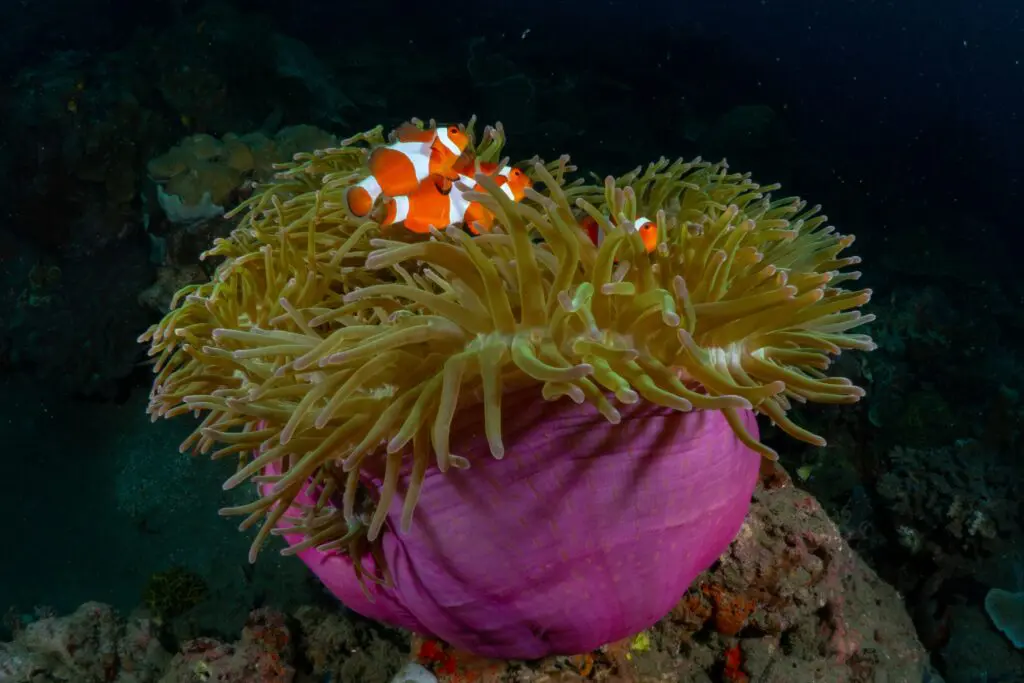
WHY DESIGNATE PANAON ISLAND A MARINE PROTECTED AREA?
Panaon Island emerged as a standout candidate for protected status not only for its extraordinary biodiversity, but because the movement to safeguard it was ignited and sustained by its own people. Over the course of more than 80 townhalls, our team at Oceana met with many local fishers and groups, including the Dap-ag Boys, a local volunteer group that addresses crown of thorns starfish outbreaks. These locals grow up with an innate understanding of how our lives and ocean health are intertwined. They don’t need statistics to know the dangers of overfishing – they’ve seen it in their own nets.
When fish stocks began to dwindle, local groups came together, not in abstract debate, but in urgent, practical discussion about how to secure the island’s future. Researchers, families, and fishers shared open dialogues – merging science, tradition, and lived experience – to build a shared vision for protection.
It was this deep-rooted collaboration, grounded in both cultural pride and survival, that propelled Panaon Island onto the global stage as a model for marine conservation success.
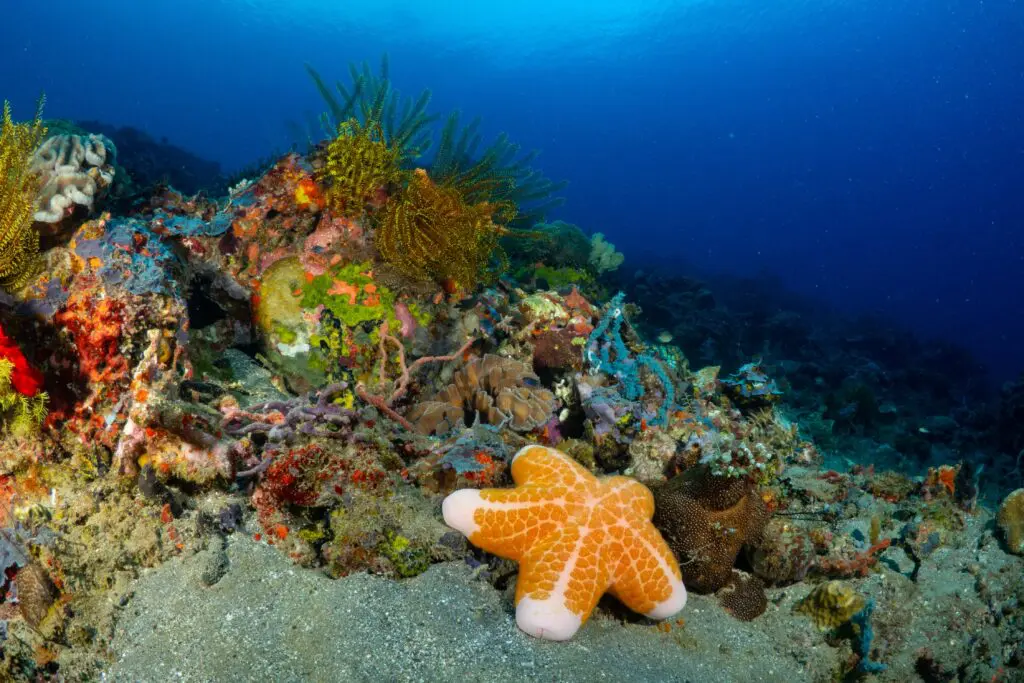
FROM HOPE TO ACTION: WHAT NEEDS TO HAPPEN NOW
The power of designating ‘Protected Seascape’ areas is undeniable in terms of perception shifts and cultural change, but, as we have seen in endless examples across the globe, announcing MPAs does not equal automatic protection. The next steps are fundamental. With the law now enacted, guided and clear implementation of a management plan is essential. Without direct, transparent, and enforced intervention, words can become empty and all protected areas are at risk of being protected in name only.
At Oceana, we are working hand-in-hand with local stakeholders to develop a strategy that serves both people and the planet. Community knowledge is central – helping identify needs, build capacity, and ensure that everyone understands what this legal designation means for their lives and livelihoods. The rewards of getting it right will be far-reaching: healthy reefs that support thriving fish populations, sustaining both diets and the local economy for generations to come.
Globally, Panaon is fast becoming a blueprint for community-led ocean protection. Here, collaboration between local people, government, and NGOs has produced progressive, practical conservation policy – rooted in equity as much as ecology. It’s a model with broad appeal: safeguarding biodiversity, strengthening communities, and proving that when people and the ocean are protected together, both can flourish.
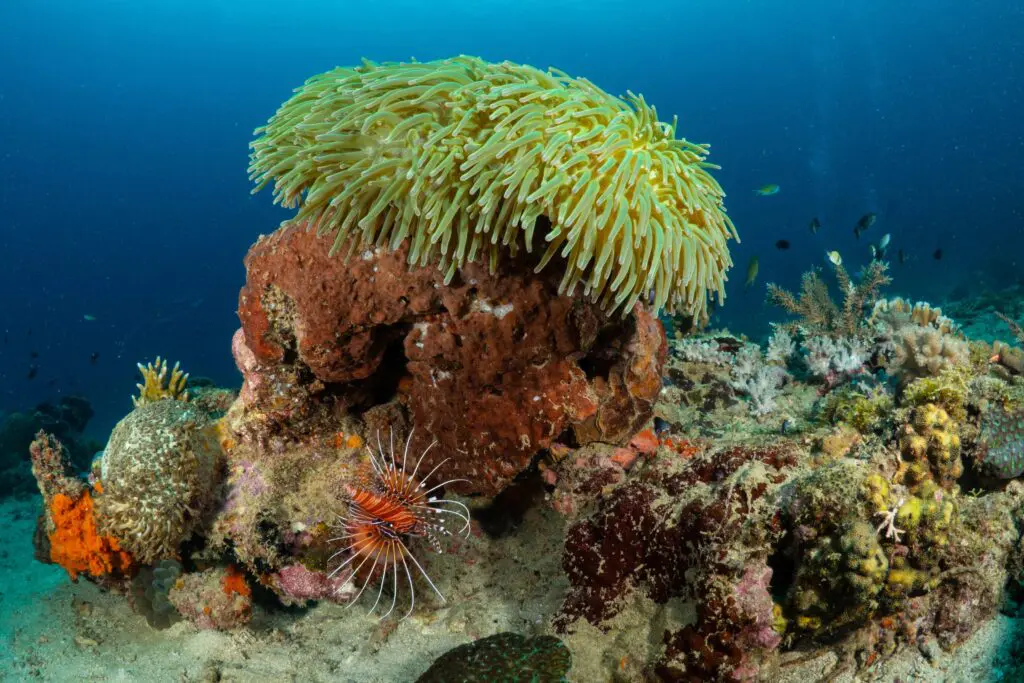
A 30X30 SUCCESS STORY
At this moment of anthropogenic change and the warming, acidification, and deoxygenation of the ocean, powerful examples of community-led ecosystem restoration become all the more crucial. Countries across the globe have pledged to protect at least 30% of their land, freshwater, and ocean by 2030 (known as the 30×30 movement). Failing to meet these commitments will put millions of lives at risk – not only those who depend directly on these waters for food, but also people in cities thousands of miles away, whose climate stability is tied to the health of coasts and the ocean.
Increasingly, the climate crisis is being recognized as a ‘water crisis.’ The health of the ocean is inseparable from the health of humanity. That is why the Panaon success story matters so deeply. It demonstrates that scalable, community-led, science-backed change is possible. It has the power to break through the paralysis of climate anxiety and inspire action – showing other nations that with collaboration and clear policy, marine protection can work.
It is for this reason that we must campaign and collaborate across national borders to champion the power and success of MPAs for ecosystems, local communities, and the global population. By amplifying these success stories through advocacy and support, we can inspire local campaigns, push for strong global regulation, and merge grassroots determination with international leadership. Together, we can turn the tide for the ocean – and for ourselves.

About the author
ATTY. ROSE LIZA EISMA-OSORIO is the Senior Director for Campaigns, Legal and Policy of Oceana in the Philippines working on strategic, directed campaigns in the Philippines to ensure protection of oceans through science-based fisheries management and policy reforms. She has more than 25 years of extensive work experience in natural resources law and policy, with focus on sustainable coastal and fisheries management and working with local communities to conserve marine sensitive areas. She is an environmental lawyer and also a professor at the University of Cebu School of Law. She is also a co-founder of the Philippine Earth Justice Center, Inc. (PEJC), which has filed several environmental cases, including the landmark decision of the Supreme Court in Resident Marine Mammals and Dolphins vs. Reyes where she is one of the two lawyers who were recognized as the stewards of the dolphins and whales to stop illegal oil drilling and exploration in the Tañon Strait Protected Seascape in Central Philippines, the largest marine protected area in the Philippines.
Related content
 Four years to 2030: scaling effective ocean protection
 The legal fight for Europe’s marine protected areas
 A Turning Point for Ocean Protection in Ghana
Share this article
using #ForTheOcean