Expanding the Maluku Marine Protected Area: A 1.5 Million Hectare Commitment to Indonesia’s Ocean Future
On 12 February 2026, Indonesia took a decisive step toward the future of ocean protection. A landmark agreement between the Maluku Provincial Government and the Blue Alliance Indonesia Foundation established long-term co-management across 1.5 million hectares of ocean, one of the largest provincial conservation commitments in the country’s history.
But this is more than scale. It is a signal of what effective marine protection looks like in practice: government leadership aligned with community stewardship, backed by sustainable finance and rooted in a viable blue economy. At a time when many protected areas exist only on paper, Maluku offers a model designed to endure.
Located in eastern Indonesia and situated at the heart of one of the most biodiverse marine regions on Earth, Maluku’s reefs, mangroves, and fisheries underpin the livelihoods of millions and sustain critical ecosystems far beyond Indonesia’s borders. Strengthening protection here is not just a national priority, it is a global imperative. What happens in Maluku will shape not only Indonesia’s conservation trajectory, but the credibility of efforts to halt ocean biodiversity loss worldwide.
This new agreement positions Maluku as a leader in long‑term, collaborative ocean governance.
WHY MALUKU MATTERS
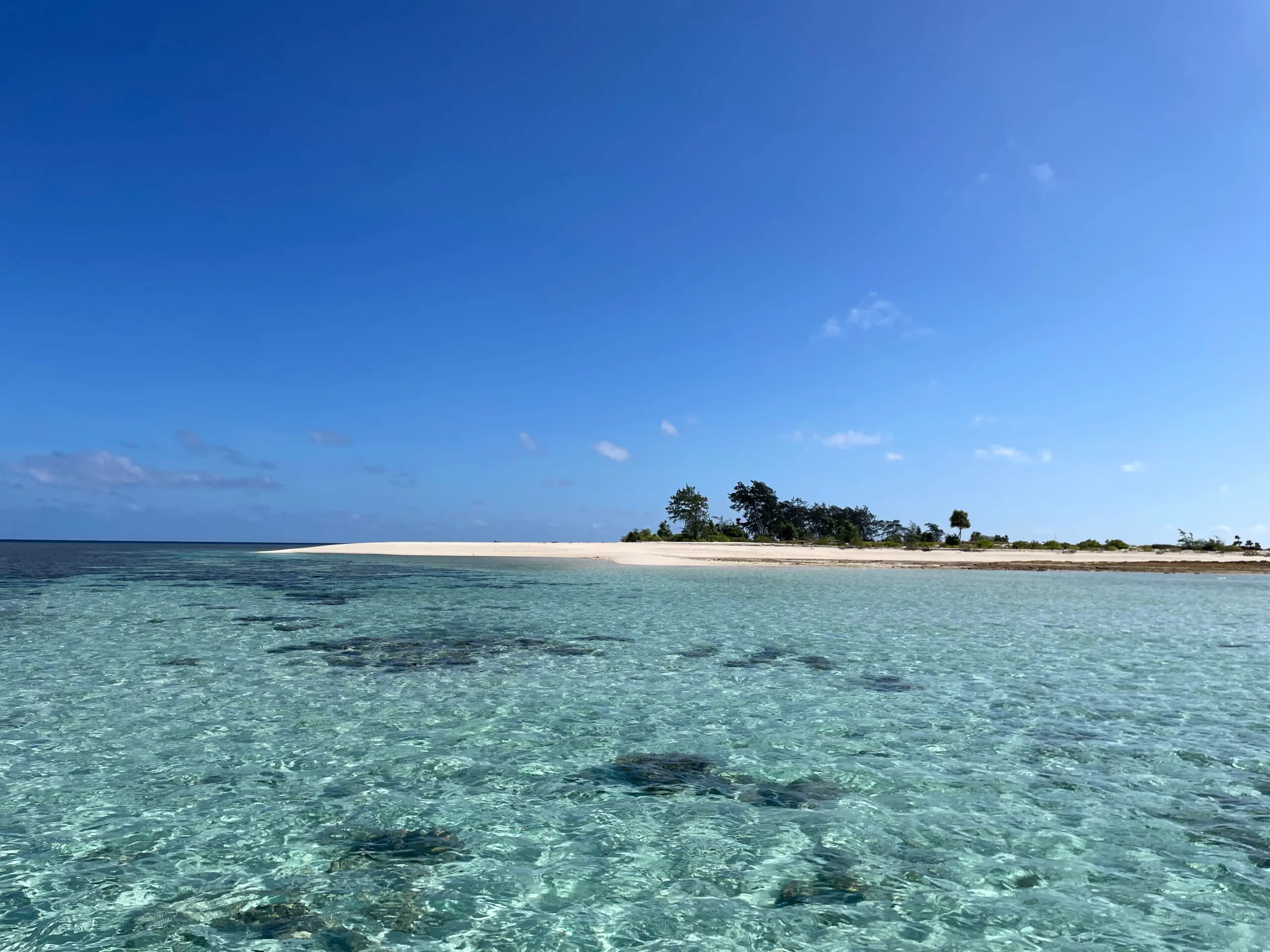
Maluku lies within the Coral Triangle, an area recognized for harboring the highest marine biodiversity on Earth. Its reefs and coastal ecosystems function as critical breeding, nursery, and feeding grounds for a vast array of species, from commercially important fish to sea turtles and marine mammals. Protecting these ecosystems means safeguarding irreplaceable genetic diversity and ecological functions that underpin both local livelihoods and global biodiversity stability. Notably, Maluku’s reefs are also among the most resilient to climate change and coral bleaching, making them disproportionately important in a warming world.
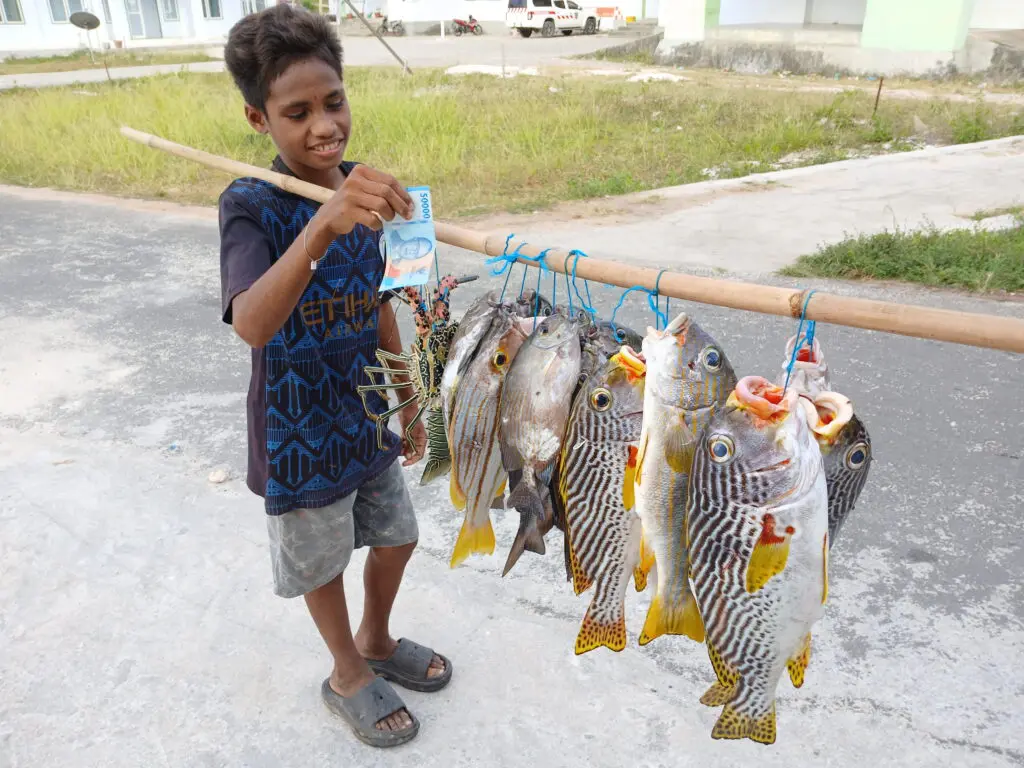
But this ecological wealth is inseparable from human wellbeing. The province’s seascapes sustain artisanal and commercial fisheries that feed communities, supply regional markets, and support local economies. For coastal populations, ocean health is directly tied to food security, income, and cultural identity. Effective marine management here is not a trade-off, it is a prerequisite for both ecological and socioeconomic stability.
Despite its ecological richness, Maluku is under intensifying strain. Overfishing, illegal activities, habitat degradation, and climate-driven coral mortality are placing increasing pressure on already vulnerable ecosystems.. Enforcement capacity across many remote sites remains limited, and existing marine protected areas (MPAs) often struggle with stable, long‑term funding. Without sufficient management effectiveness, legally designated MPAs risk becoming “paper parks” lacking the resources needed to protect wildlife and sustain fisheries.
This is the context in which the new co-management agreement becomes significant – not as another designation, but as a structural shift in how protection is delivered.
A NEW CO-MANAGEMENT MODEL FOR LONG-TERM OCEAN PROTECTION
The 1.5 million hectare agreement establishes a new model of collaborative governance; one that combines public authority with sustained external capacity. The Maluku Provincial Government retains full legal control, while partnering with Blue Alliance Indonesia to strengthen management across six conservation areas. Critically, this is not a short-term intervention. The agreement introduces long-term continuity, technical expertise, and planned investment, addressing one of the most persistent weaknesses in marine conservation: fragmented, time-bound funding cycles that fail to deliver lasting impact.
Key features of the co-management model include:
- Long‑term partnership: providing stability for planning, budgeting, and community programs. The agreements are signed for five years, renewable indefinitely.
- Shared management responsibilities: Government retains full ownership of marine resources and MPAs and determines the regulations and laws. Blue Alliance maintains the full responsibility and execution of delegated management functions and is accountable to the government.
- Building conservation led blue economies: lifting surrounding fishing communities out of poverty through job creation, sustainable enterprises, and strengthening food security.
- Sustainable financing mechanisms: blue economy enterprises generate the revenues that sustain long-term reef protection, reducing dependence on donors over time.
- Community engagement as a core element: recognizing that local stewardship is essential for compliance, equity, and long‑term success.
Blue Alliance brings expertise in strengthening conservation area management effectiveness, developing sustainable enterprises, setting up blended finance structures, and helping governments deliver their sustainability promises with effective MPAs. The organization works alongside coastal communities to support sustainable fisheries, co‑develop livelihood initiatives, and support trust building between communities and government agencies. This integrated approach ensures that both conservation outcomes and community benefits can progress together.
DELIVERING ECOLOGICAL AND SOCIAL IMPACT WITH EFFECTIVE MPA MANAGEMENT
Effective MPA management reduces habitat loss, restores ecological functions, and provides refuges for overexploited species. Over time, well‑managed MPAs can increase fish biomass, regenerate reef health, and boost coastal resilience to impacts of climate change. By securing 1.5 million hectares, Maluku is investing in the long‑term recovery of almost 1% of the world’s coral reefs.
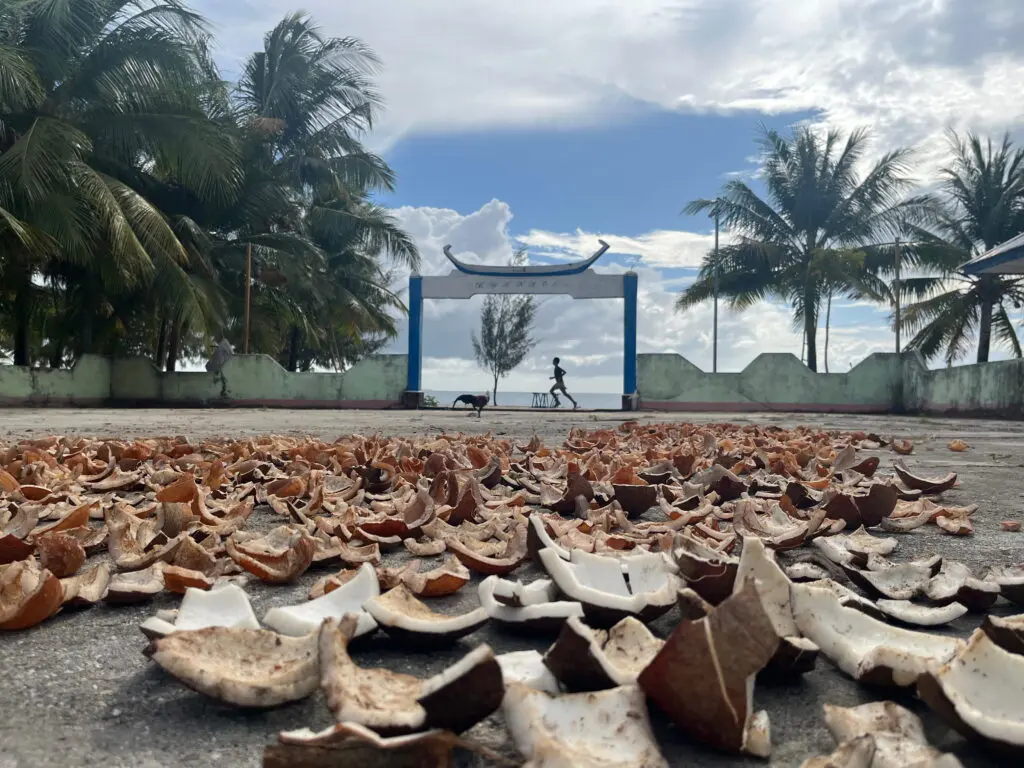
Healthier fish populations lead to more stable and productive catches for small‑scale fishers, while stronger monitoring and enforcement reduce illegal fishing and create a fairer operating environment. At the same time, intact ecosystems support diversified livelihoods, from aquaculture to tourism, strengthening local economies. Improved management also enhances the natural coastal protection provided by reefs and mangroves, reducing erosion and buffering storm impacts. Together, these benefits build long-term socioeconomic resilience across Maluku.
CONTRIBUTING TO 30X30 TARGETS
The global target to protect at least 30% of the world’s land and ocean by 2030 (30×30) requires rapid, durable expansion of effective conservation areas. Indonesia plays a pivotal role in this effort due to the ecological importance of its marine ecosystems. Maluku’s 1.5 million hectare commitment contributes directly to national and global progress toward 30×30 through a model explicitly designed to ensure long‑term management effectiveness rather than nominal designation alone.
The combination of government commitment, sustainable financing, community engagement, and public-private partnership makes this agreement a potential model for other provinces and countries. Many coastal regions face similar challenges: limited budgets, enforcement gaps, and complex community needs. The Maluku model demonstrates how these can be addressed through structured, long‑term partnerships.
Strengthened MPAs directly advance climate adaptation, food security, and resilient coastal economies – priorities shared by governments worldwide. This model translates those ambitions into practice, offering a tangible pathway to deliver on global commitments such as the Kunming–Montreal Global Biodiversity Framework.
WHAT HAPPENS NEXT?
Implementation is the next step. Key priorities include:
- Scaling up monitoring and enforcement capacity across all six conservation areas.
- Establishing and managing blue economy reef-positive businesses to alleviate poverty and create a conservation-led economy.
- Developing long‑term financing mechanisms to ensure stable, long-term support.
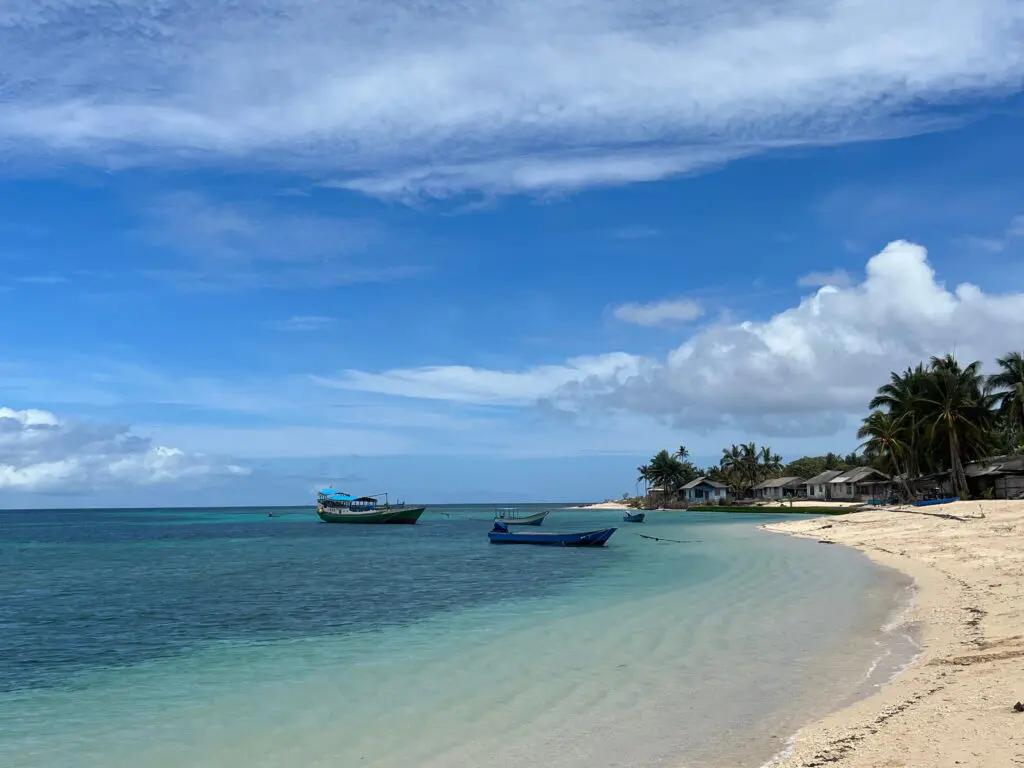
- Expanding community stewardship of their own resources, including sustainable fisheries and livelihood programmes.
- Strengthening ecological monitoring to track biodiversity outcomes and inform adaptive management.
AN OCEAN PROTECTION MODEL READY FOR GLOBAL REPLICATION
Maluku’s co-management agreement demonstrates how long-term, collaborative approaches can deliver marine protection at scale. Covering 1.5 million hectares, it links the conservation of a globally significant marine ecosystem with the needs of the communities who depend on it.
By aligning government leadership, community participation, and sustained partnerships, the model offers a practical and replicable pathway toward more effective and durable MPA management across the world.


About the authors
Nicolas’ expertise combines marine science, economics, finance, and policy; all aimed at protecting marine ecosystems. On the marine side, he has contributed over 50 economic studies, scientific publications, and technical reports on ecosystem services of coral reefs. These have been used globally, to inform and convince policy makers. On the business side, Nicolas’ former positions include experience as an investment director and project developer for multinational companies, and he was also the founder and CEO of a B2B company. His dual skillsets now inform marine conservation, inspiring alternatives, and innovative approaches. Nicolas has completed a Master of Business Administration (MBA) from ICN (France) and received his PhD in Marine Science from the Universidad de Barcelona (Spain).
Hero OhoiulunHero is a graduate of IPB University, holding a bachelor’s degree in Fisheries and Marine Science. He is an expert in various aspects of marine conservation, including Marine Protected Area (MPA) management, Sea Turtle Conservation, Inclusive Conservation (ESSF and GEDSI), Community-based Marine Tourism, Fisheries Management, and Aquaculture. Hero’s expertise extends to Government Advocacy, where he actively influences public regulation, planning, and budgeting for sustainable practices. Since 2015, Hero has been a driving force behind the initiation, establishment, and management of 10 MPAs in eastern Indonesia, covering an area exceeding 2 million hectares. Notably, he has taken the lead in leatherback sea turtle conservation projects at the Kei Kecil MPA since 2015 and the Buru MPA since 2016. Beyond his professional endeavours, Hero is a certified Dive Master and displays his love for the ocean through underwater photography. He is known for his adeptness in fostering relationships with government bodies, community leaders, religious institutions, and key partners.
Related content
 Four years to 2030: scaling effective ocean protection
 The legal fight for Europe’s marine protected areas
 A Turning Point for Ocean Protection in Ghana
Share this article
using #ForTheOcean