Ocean protection must be more than a promise
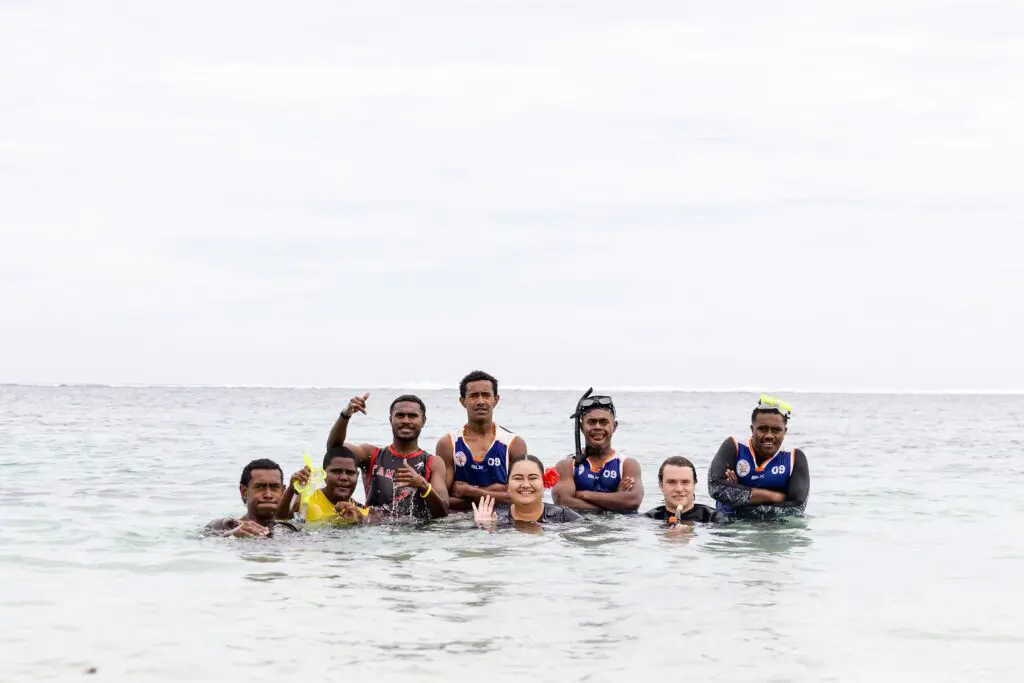
During Pre-COP31 in Fiji, I had the privilege of visiting Naidiri Village, a coastal community tucked away in the Coral Coast of Viti Levu. Home to a small indigenous community of about 30 households and less than 150 people. A place where the Aunties invite you into their home for tea and the children wave at you like they’ve met you many times before.
In 2009, the people of Naidiri noticed something troubling. The fish that had sustained their community for generations were becoming harder to find. So the young people of their village came together, made a plan with their elders permission and took action.
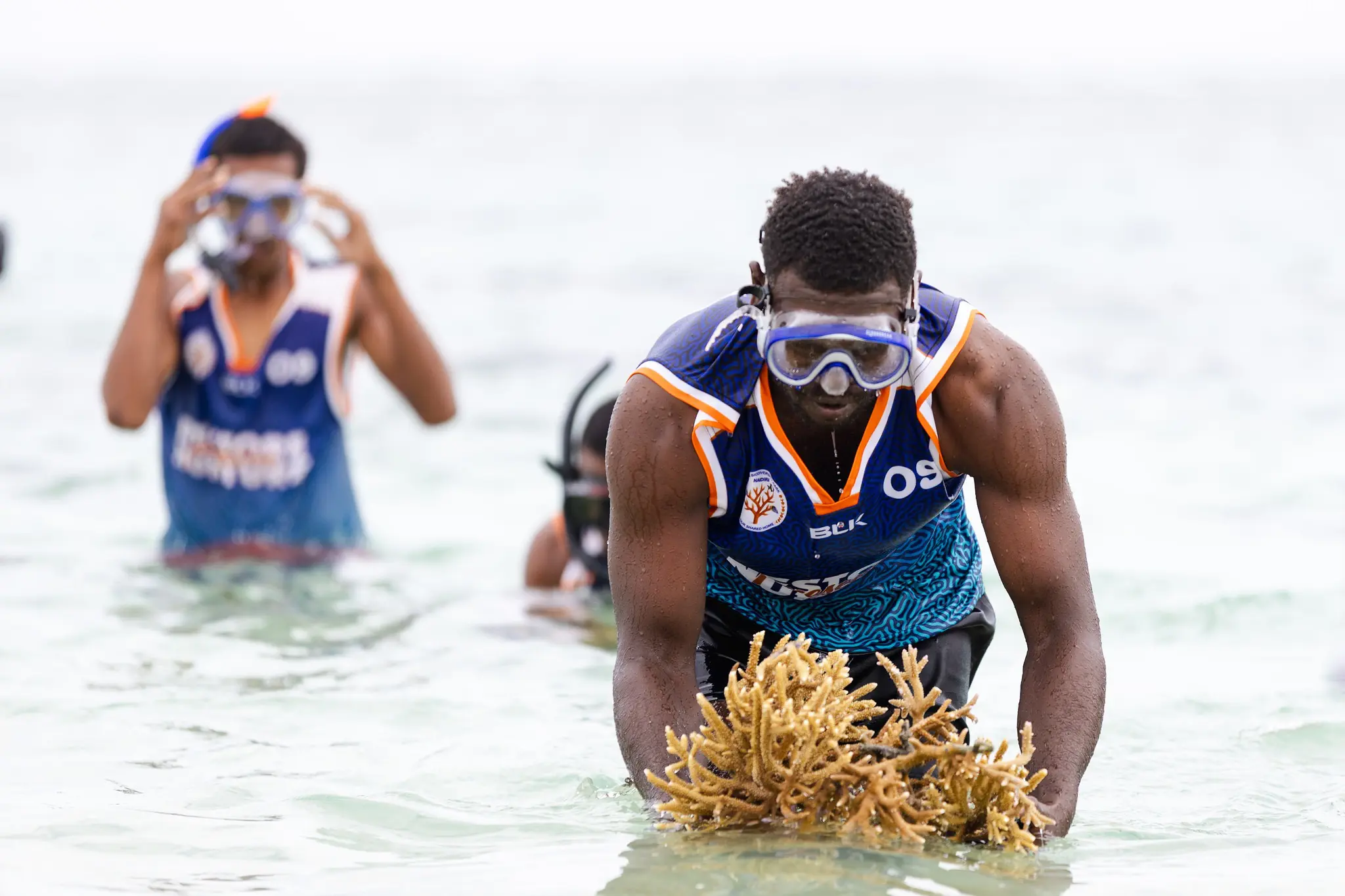
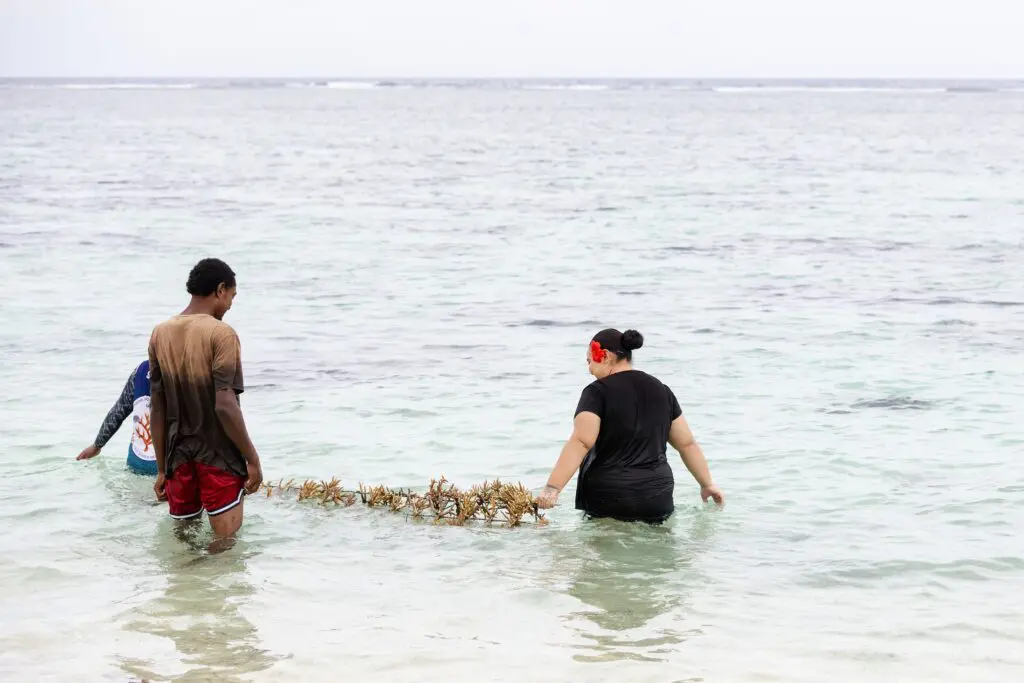
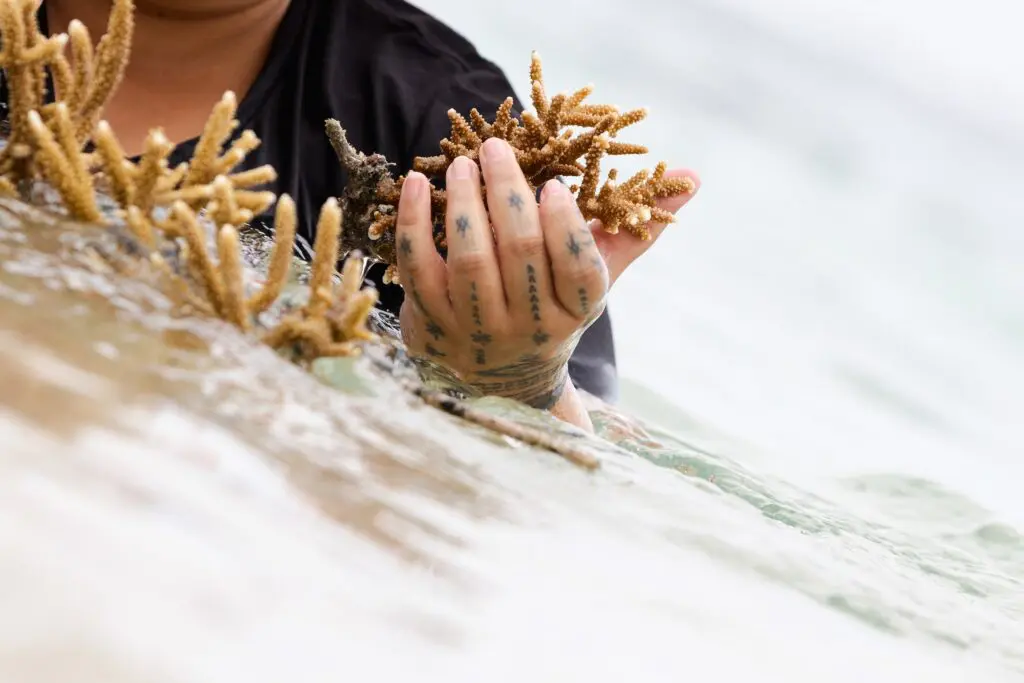
Drawing on the traditional Fijian practice of tabu, they established a community-led Marine Protected Area (MPA), giving marine life the space and time it needed to recover. Alongside this, they began planting coral to restore reefs damaged by bleaching.
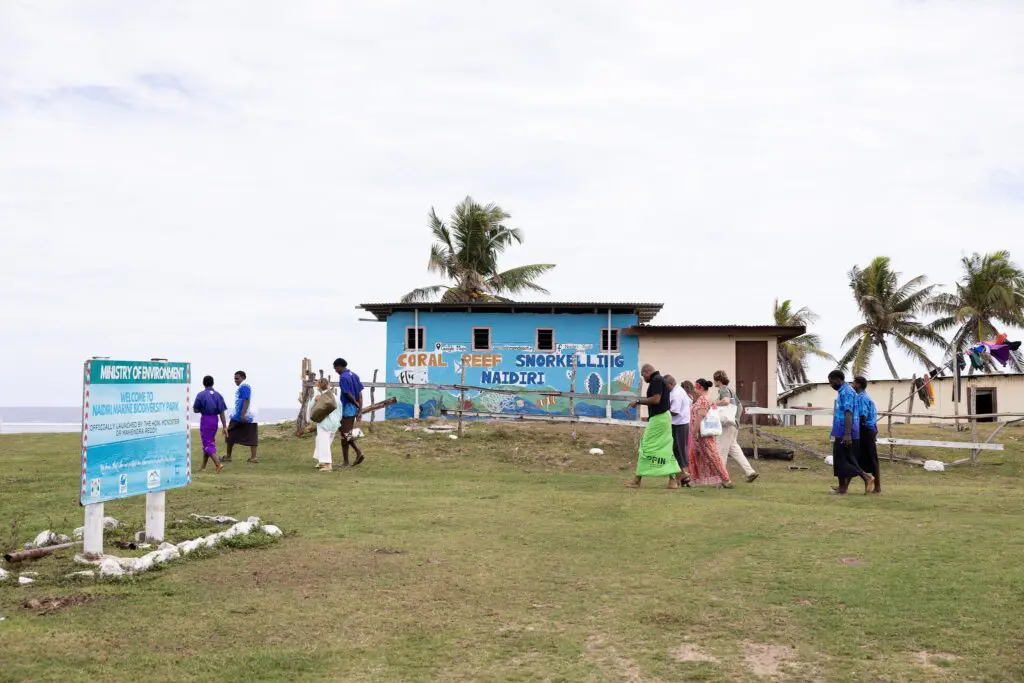
Today, their efforts are breathing life back into their waters. Fish stocks have recovered, coral restoration continues, and neighboring villages have reported seeing more fish in their own waters thanks to Naidiri’s conservation efforts.
What struck me most was that this wasn’t a story of a community waiting to be saved. It was a story of people recognising a threat to their way of life and working collectively to protect their future.
Growing up in Samoa, I understand just how deeply our lives are intertwined with the ocean. It feeds us, sustains our livelihoods and shapes our traditions. It’s why I felt at home in Naidiri. For Pacific Islanders, the ocean has never been just a body of water separating our islands. It is what connects us.
Yet while communities like Naidiri are showing the world what meaningful ocean protection looks like, the global picture tells a different story.
WHAT DOES OCEAN PROTECTION REALLY MEAN?
In 2022, world leaders committed to protecting and conserving at least 30%of the world’s land and ocean by 2030. The 30×30 target was a landmark promise to halt biodiversity loss and safeguard the ecosystems that sustain life on Earth. Four years later, the latest Ocean Protection Gap Report 2026 reveals just how far we remain from fulfilling that promise.
Only around 10%of the global ocean is currently designated as protected or conserved, and just 3.5% is considered fully or highly protected. Meanwhile, only around 1.5% of the high seas, which make up nearly two-thirds of the ocean, are designated for protection.
At our current pace, marine protection could reach just 12 to 15% by 2030. Less than half of what governments promised.
But these numbers also raise a bigger question. What does it really mean to protect the ocean?
A line drawn on a map does not automatically protect the life beneath the waves. A marine protected area without adequate funding, enforcement or community participation risks becoming little more than a promise on paper. And while governments celebrate conservation targets, destructive activities can continue in areas supposedly under protection.
Real protection must be measured not simply by how much ocean we designate, but by how healthy those waters become, how effectively they are managed and whether the communities who depend on them are supported.
ISLAND NATIONS CANNOT CARRY AN OCEAN-SIZED RESPONSIBILITY ALONE
For Pacific Island nations, the consequences of failing to protect the ocean is already unfolding around us. We see them in coral bleaching, declining fish stocks, coastal erosion and the growing threats to the ecosystems that sustain our communities.
When a reef dies, we lose more than biodiversity. We lose food security, livelihoods, natural protection from storms and places that hold generations of cultural knowledge.
For island communities, environmental loss is also cultural and economic loss. Yet despite being among those most dependent on a healthy ocean, Pacific Island nations are often expected to shoulder enormous conservation responsibilities with limited resources.
The Ocean Protection Gap Report 2026 estimates that marine conservation requires approximately USD $16 billion annually but only receives around USD $1.8 billion. This is not simply a funding shortfall. It is a question of fairness.
Countries with the greatest resources must do more than applaud the conservation efforts of island communities. They must provide accessible, predictable and long-term financing that allows those efforts to grow.
This means investing directly in community-led conservation, supporting monitoring and enforcement, and ensuring Indigenous Peoples and local communities have meaningful authority over decisions affecting their waters.
Because the ocean does not recognize national borders. The health of a reef in the Pacific, the survival of migratory species and the stability of marine ecosystems are connected to the health of our entire planet.
The responsibility to protect them must be shared.
PACIFIC LEADERSHIP SHOWS US WHAT IS POSSIBLE
While global ocean protection continues to lag, the Pacific is demonstrating what meaningful conservation can look like.
The report identifies Oceania as the world’s leading region for marine and coastal conservation coverage, with approximately 41% designated as protected or conserved. This ocean leadership reflects deep-rooted traditions of stewardship.
Long before international agreements introduced marine conservation targets, Pacific communities were practising forms of ocean stewardship rooted in customary knowledge, collective responsibility and respect for nature.
From tabu areas in Fiji to fa’asao practices in Samoa, our ancestors understood the importance of allowing ecosystems time to replenish. Naidiri Village is a living example of that knowledge in action.
But recognizing Pacific leadership means more than celebrating the success stories. It means recognizing that Indigenous knowledge and community governance are essential to the future of conservation.
It also means ensuring that global conservation ambitions do not come at the expense of Indigenous rights, access to traditional fishing grounds or the livelihoods of coastal communities.
As the world gathers for COP31 in Türkiye, Pacific voices must help shape the conversation on ocean protection, climate resilience and financing. Our communities should not be treated merely as beneficiaries of conservation programmes, but as leaders, rights-holders and decision-makers.
The solutions already exist in our villages. What is needed is the political will to support them.
FOR THE FUTURE OF OUR CHILDREN
When I think about the future of the ocean, I think about the children growing up in communities like Naidiri and across my home in Samoa.
I think about whether they will inherit reefs alive with color, waters abundant with fish and the same deep relationship with the ocean that generations before them have known.
For young Pacific Islanders, protecting the ocean is more than just conversation about saving marine life. It is about protecting our right to a future where our cultures, identities and ways of life can continue to thrive.
The High Seas Treaty, which entered into force in January 2026 and will have its first COP in January 2027, offers a historic opportunity to protect marine biodiversity beyond national borders. Its implementation, alongside COP31 and the biodiversity negotiations at CBD COP17, must accelerate meaningful progress towards 30×30.
Governments must move beyond promises. They must deliver effective protection, mobilize financing and ensure that communities are at the center of conservation decisions. Because we cannot afford to reach 2030 having protected the ocean only on paper.
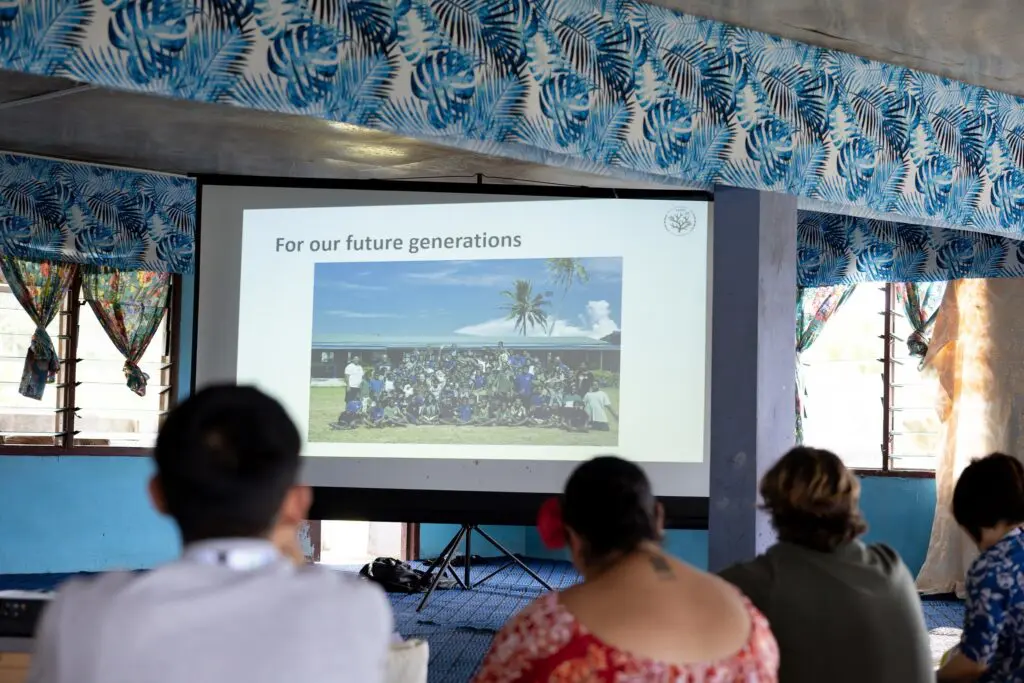
I keep returning to the people of Naidiri. A community that saw its ocean struggling and chose to act. Their story reminds us that protecting the ocean is not an impossible task. Recovery is possible when people come together with a shared commitment to care for the waters that care for them. And the people of Naidiri should not have to carry that responsibility alone.
We are ocean dwellers. We have always been ocean protectors. Now it is time for the rest of the world to share that responsibility.
The Ocean Protection Gap Report 2026 shows us where we are falling short and what must change. So I encourage governments, funders and communities everywhere to read the report, demand action to close the protection gaps and turn the promise of 30×30 into a reality.
The ocean has sustained us for generations. It is our turn to ensure it can sustain generations to come.
Image credit: PreCOP31 official photographer

About the author
Brianna Fruean, a Samoan climate change activist and environmental advocate, has been dedicated to environmental causes from a young age. At 11, she became a founding member of the Samoan chapter of 350.org. The Secretariat of the Pacific Regional Environmental Programme (SPREP) selected her as their first-ever youth ambassador, and she served as the youth representative for Samoa during COP21 and the Paris Agreement negotiations. Fruean's continued climate activism was recognized in 2022 with a Global Citizen Prize, and she was also named a Champion for the Fossil Fuel Non-Proliferation Treaty. She continues to elevate young Pacific voices in the climate space as the youth representative on the Council of Elders for the Pacific Climate Warriors.
Related content
 Blue Africa: Working together to accelerate ocean protection on the road to IMPAC6
 Four years to 2030: scaling effective ocean protection
 Why 30×30 Depends on Local Leadership
Share this article
using #ForTheOcean