Ocean Matriarchs: Resilient Women, Resilient Ocean
AMINA KOMORA
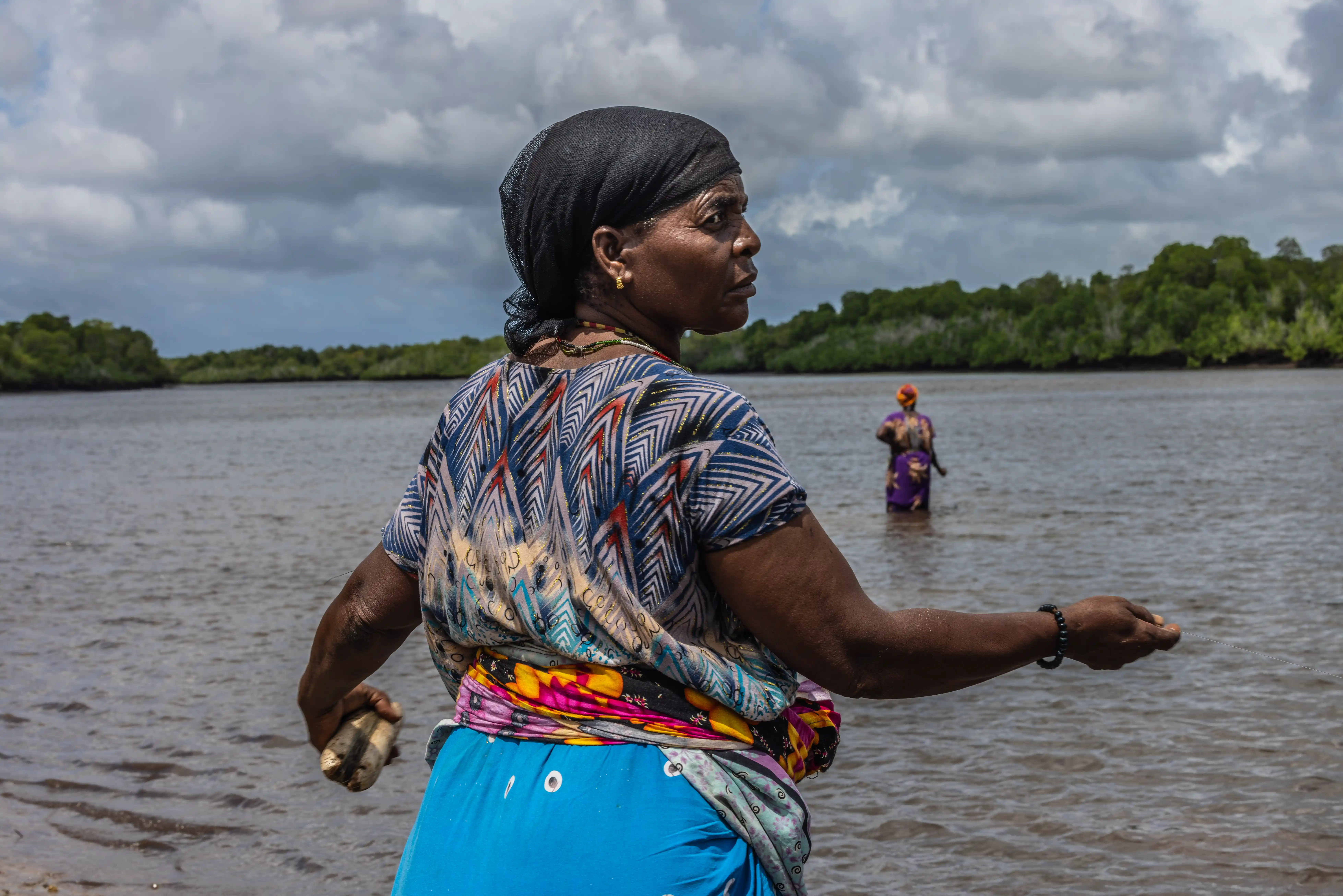
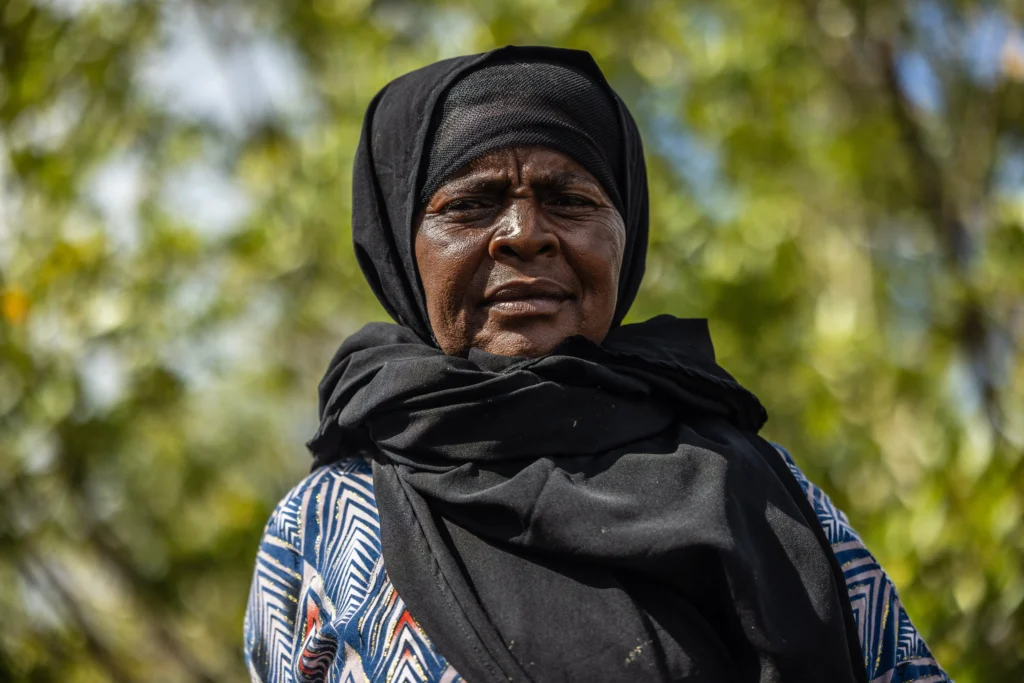
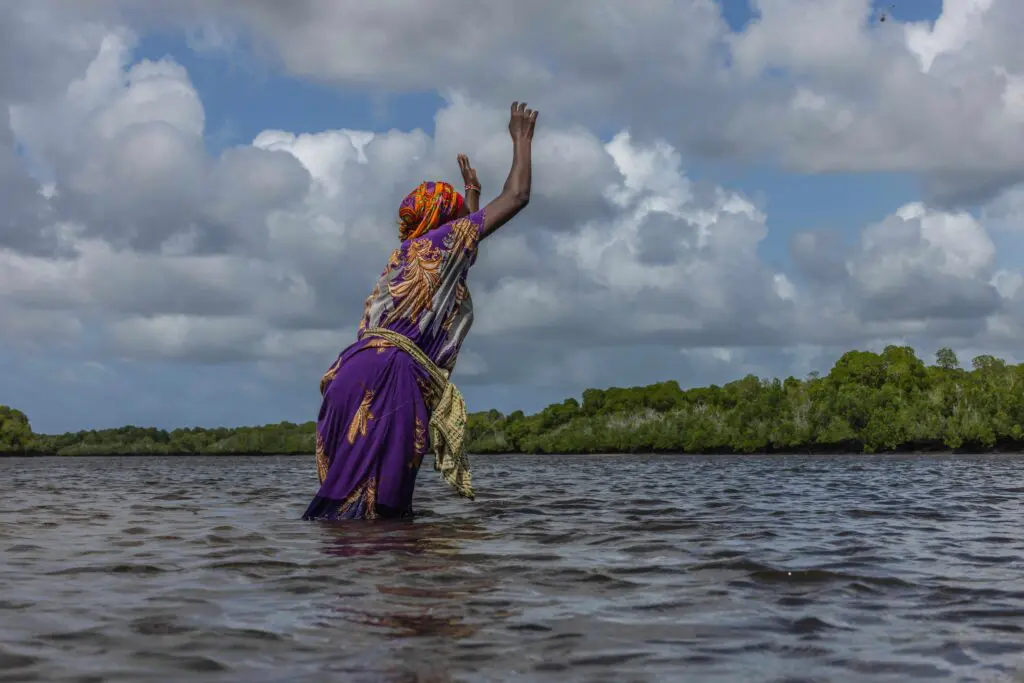
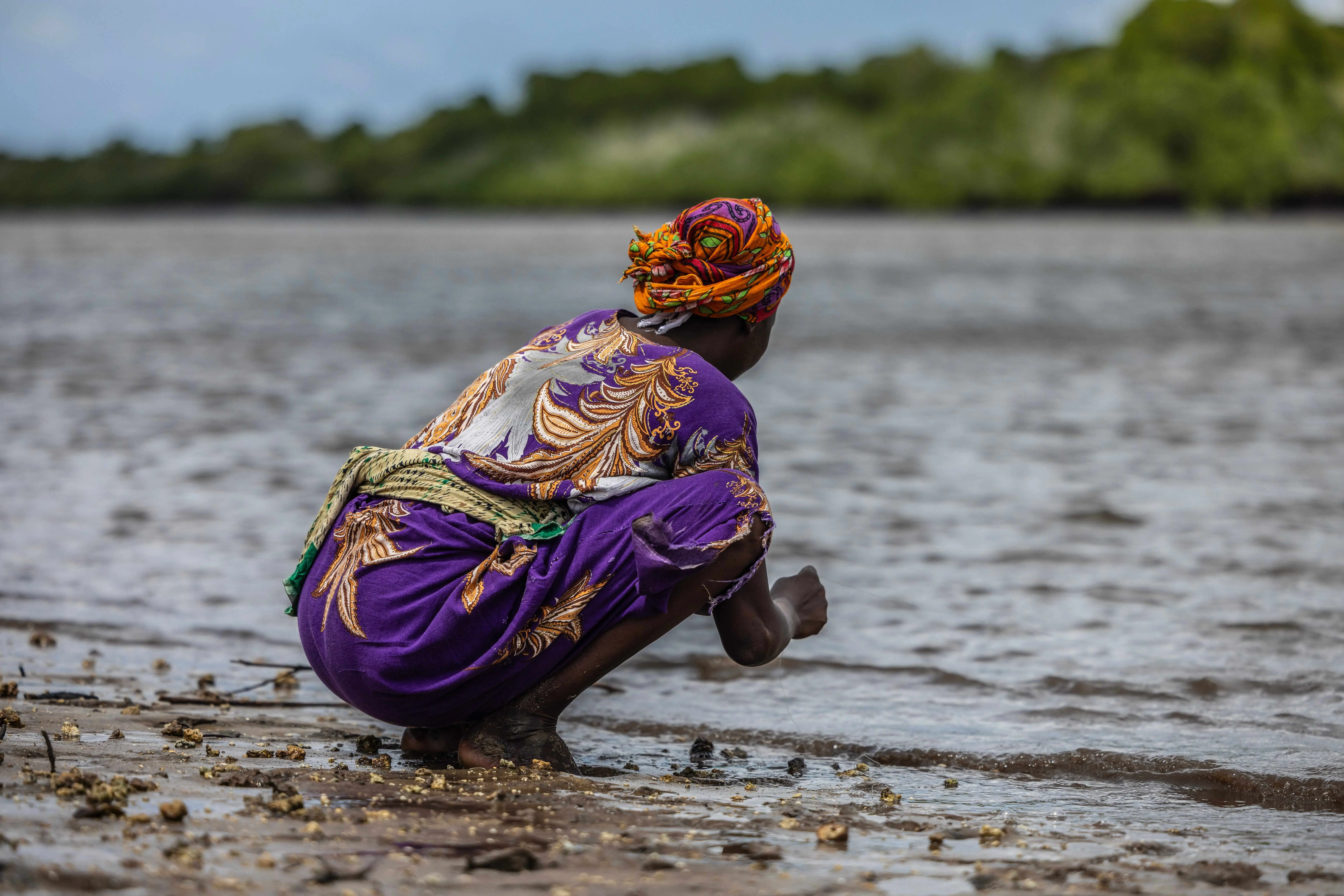
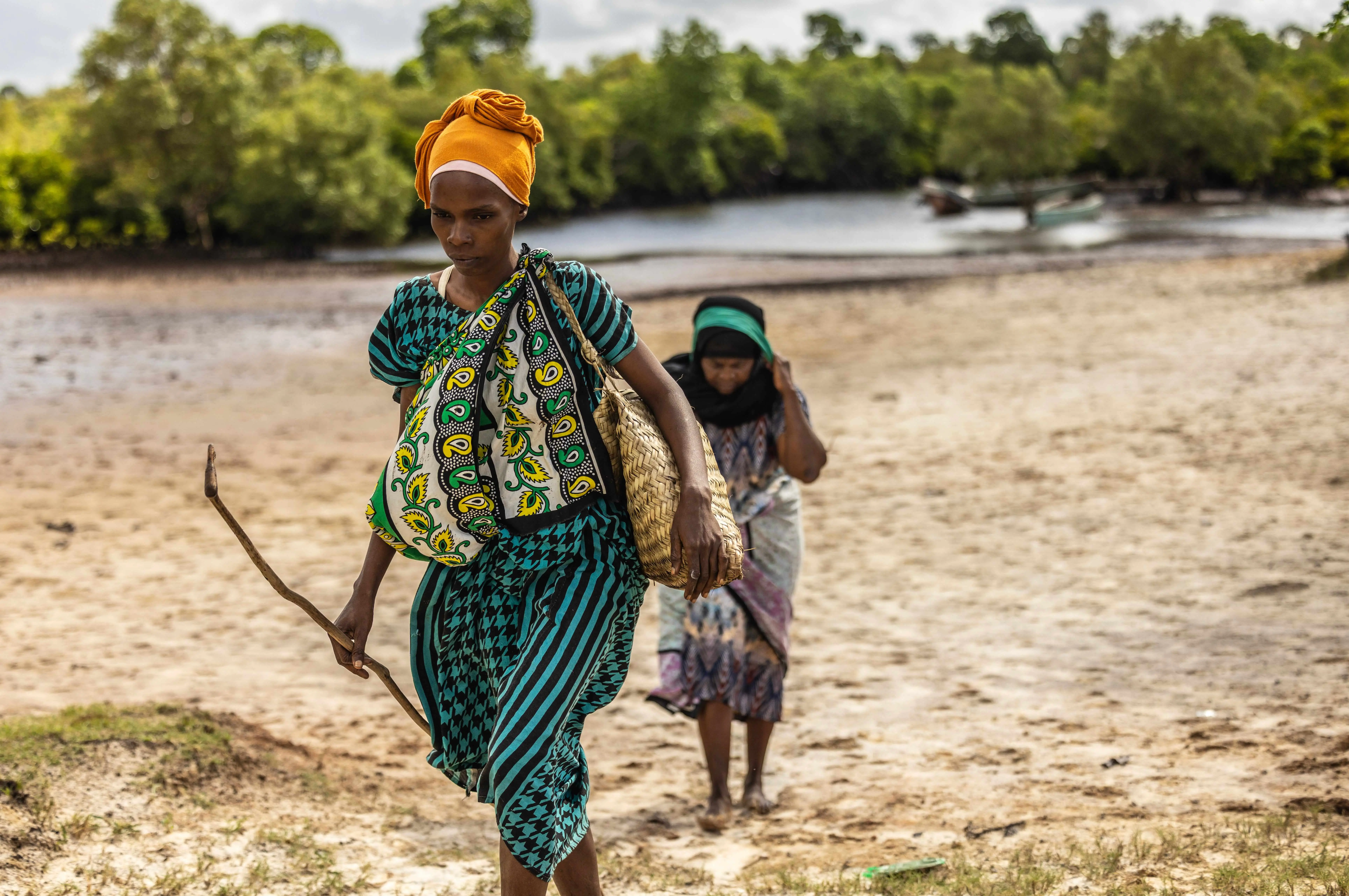
Amina Komora steps skillfully amongst the mudflats and mangrove forests of Mkunumbi ward in southern Lamu County, Kenya, searching for whelks to take as bait to the community landing site, around five kilometers away.
“I learned fishing by watching my mother,” Amina tells me, “and we used to go together until she passed on. I’ve kept at it, even now that I’m old, and I do this work with my grandchildren.”
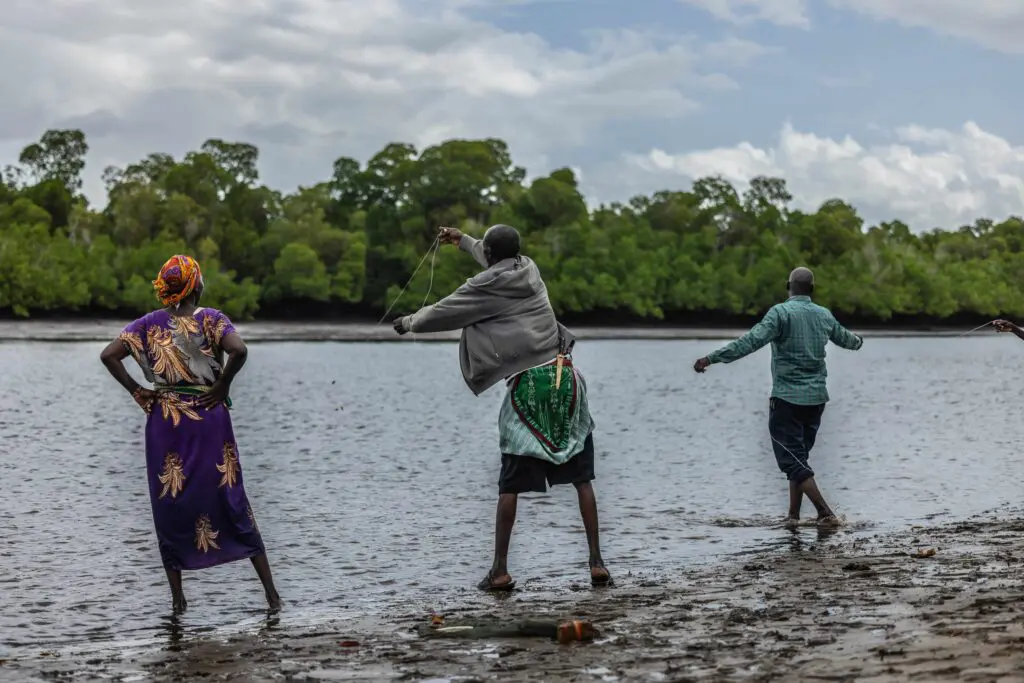
In the Sanye community, fishing knowledge and traditions are passed down through generations. Here, women like Amina are challenging the perception of fishing as a traditionally male occupation and carving out their own place within coastal livelihoods.
“Since the olden days, Sanye women have always been known as fishers”, Amina explains, “ [We] have become famous for fishing just like the men do, and now a landing site is named after us – ‘Bandari ya Wasanye’ – the landing site of the Sanye.”
Small-scale fishing communities like the Sanye are among the world’s most overlooked climate allies. As the eyes and ears of the ocean climate sector turn to Mombasa for the first Our Ocean Conference to be held on African soil, it is critical that these communities – and especially the voices of women within them – are represented in conversations shaping the future of ocean protection.
Across the world’s tropical coastlines, coastal communities sustain livelihoods and food security through small-scale fisheries, often using practices rooted in generations of local knowledge. They also play a vital role in protecting shorelines from climate impacts, safeguarding critical blue carbon ecosystems, and supporting social stability in regions facing increasing environmental and economic pressures.
One in every 12 people globally – nearly half of them women – depend at least partly on small-scale fishing for their livelihood. Women play vital roles in the chain: catching, processing, trading, and sustaining household economies. Yet their perspectives and priorities are frequently excluded from local governance. Something some women, like Amina, are working to change.
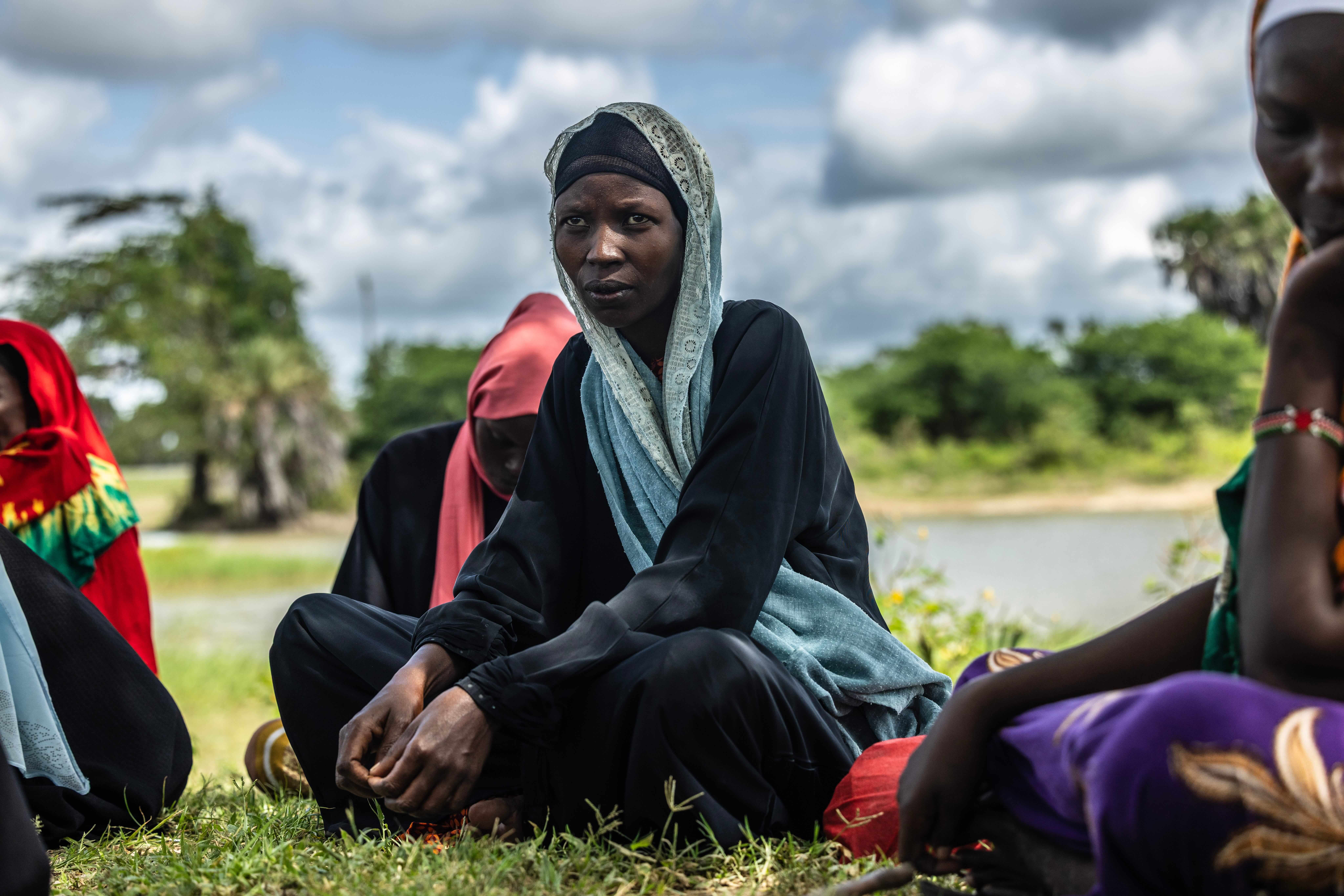
“We have faced many challenges as Sanye women. We remained unrecognised as fishers for years, even when we registered ourselves. Our names were often struck from lists of beneficiaries for development funds. But we persist, working to change this,” she says.
“We’ve been marginalized for a long time. We’ve been looked down upon, made to seem like we can’t stand up for ourselves. We are from the Sanye community, and we are fishermen, but we are yet to be known. We have been side-lined, and it is not because we are not fishers, we are. We want to be recognized as legal fishers and not forced to hide in alleys. If we’re caught fishing, we want to have permits.”
“I would urge other fishers to unite with us”, Amina concludes.
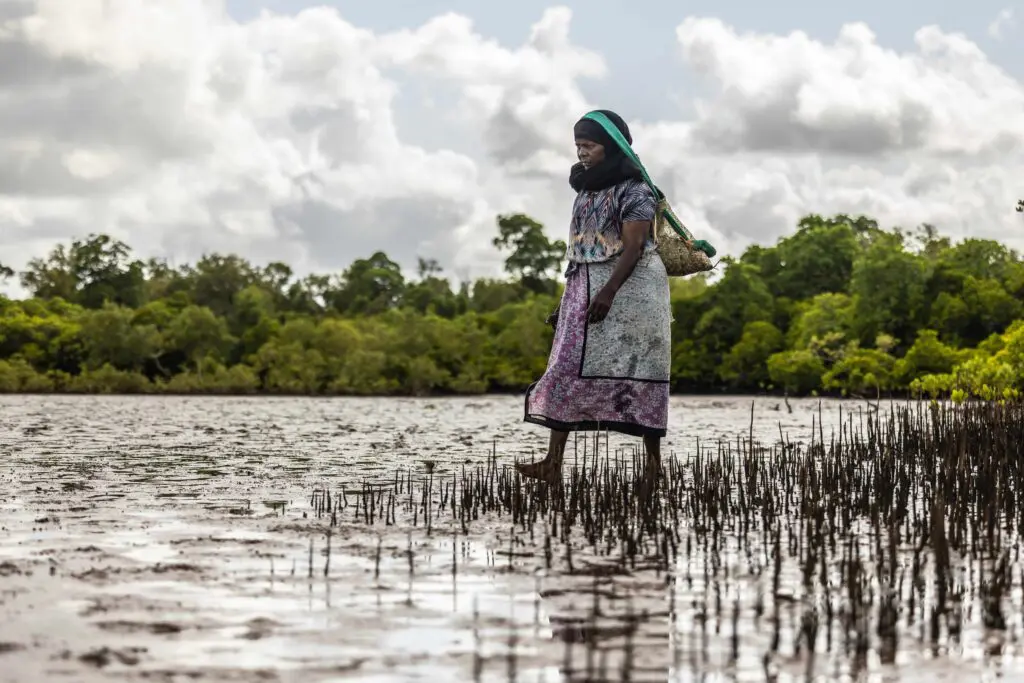
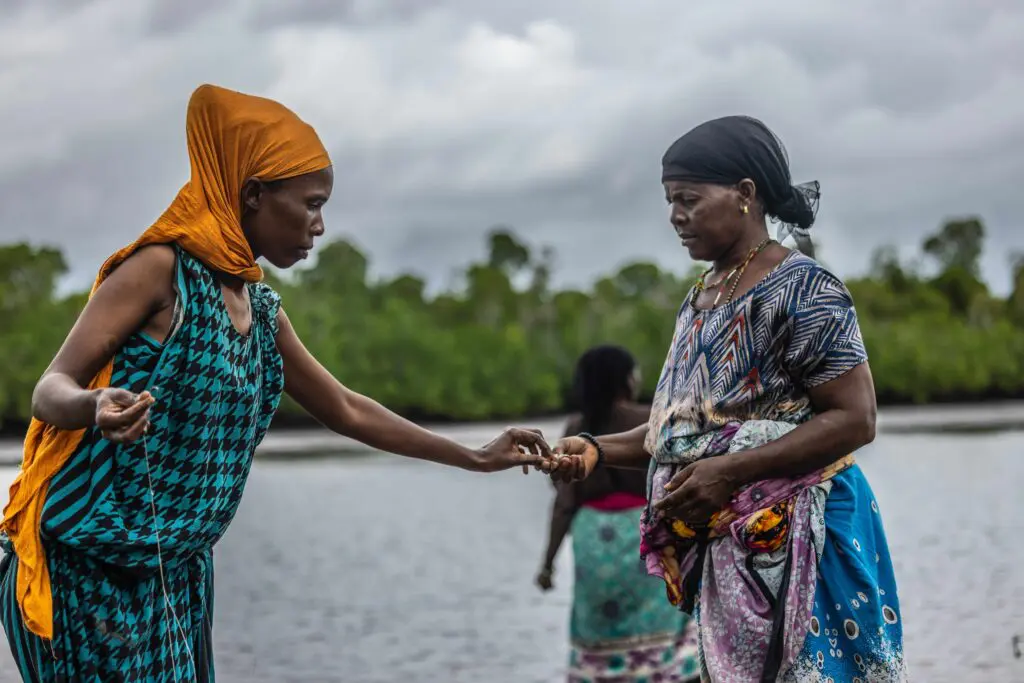
Amina Komora, Credit: Randall Mabwa | Blue Ventures
RIZIKI SAID
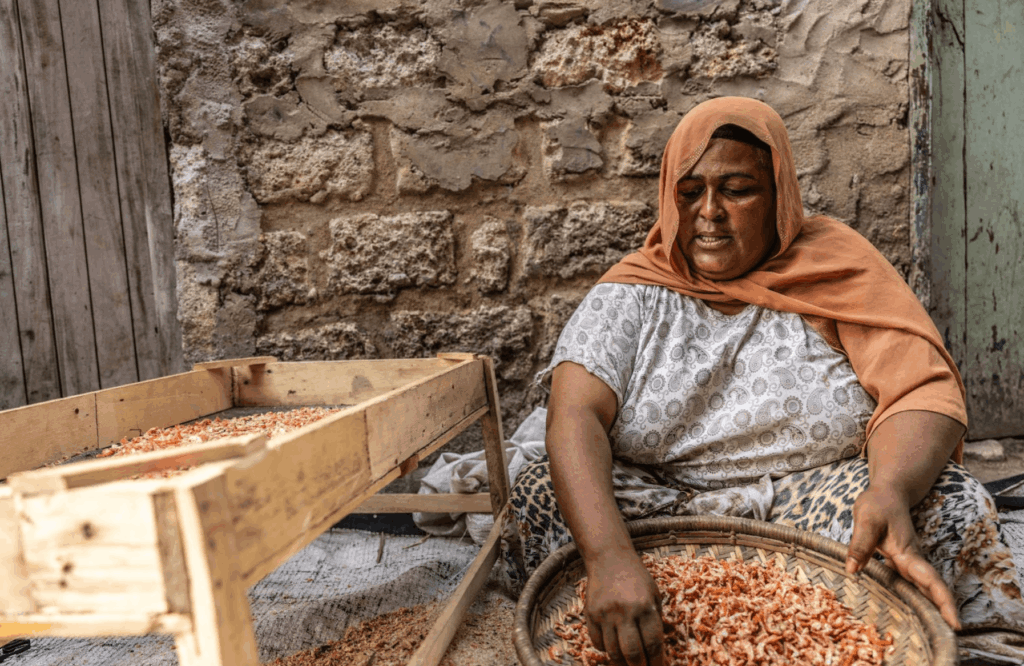
Across the estuary, the village of Matondoni on Lamu Island is known for its prawn fisheries. Unlike in Mkunumbi, however, women here are less involved in fishing directly. Instead, many play influential roles within the Matondoni Prawn Fishers Association, owning boats, overseeing fishing operations, or working in prawn processing and trade.
Among them is Riziki Said, one of the region’s leading prawn dealers, who supplies buyers across Kenya’s major cities.
“Without education, I turned to prawns to feed my family and educate my children”, Riziki tells me. “What else can a woman do? Watch my children miss school, when I can engage in the fishery and make money? What would you do? That is why many women in Matondoni do not hesitate to engage in business. We have started to understand that two incomes are better than one and that women can also lead.”
On a good day, the women of the association can process hundreds of kilograms of prawns, which are parboiled, dried and then packaged for export. Excess prawns are turned into prawn chutney, a product with strong demand extending as far as Mombasa – Kenya’s second-largest city, located around eight hours by road from Lamu.
Beyond its renowned prawn fisheries, the community is also known for the unique baskets used by fishers and women to transport fish. With limited cold storage facilities, indigenous knowledge helps preserve the catch. Women weave baskets from palm fronds locally known as ‘miaa’, which, when combined with saltwater ice slurry, help keep fish fresh for hours, unlike the synthetic woven gunny bags commonly used in the nearby Lamu town.
AMINA MUSA
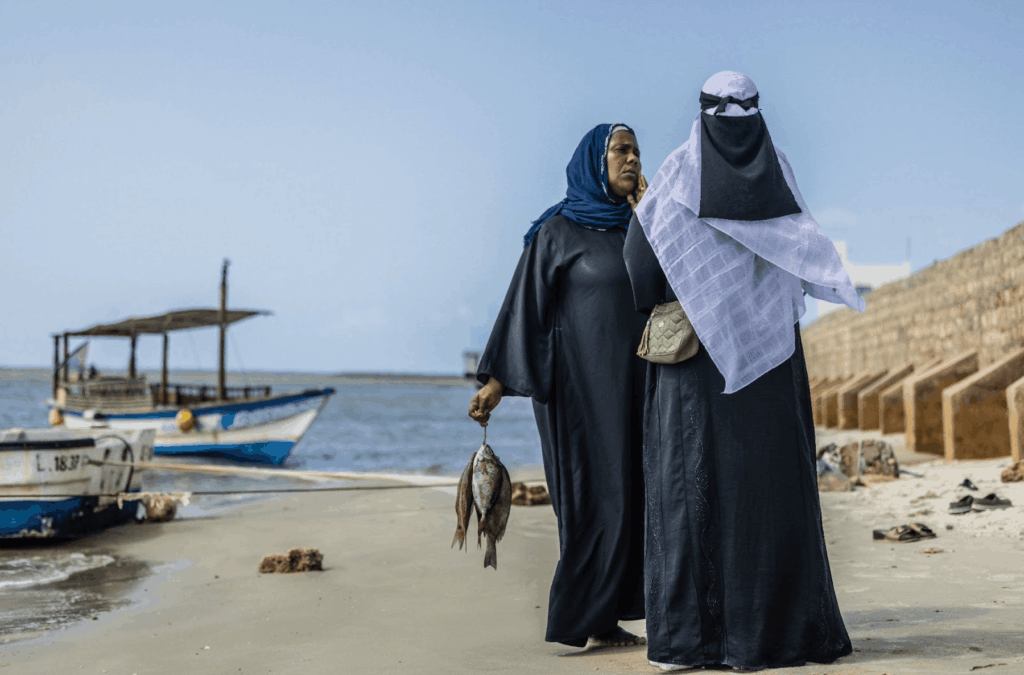
In Lamu, many women are actively involved in the fish trade. Some run fish kiosks supplied by fishers returning from long and demanding periods at sea, while others own fishing boats and employ crews to fish and deliver catch to them each day. Women are also increasingly taking on leadership roles within the Lamu Beach Management Unit (BMU) – positions that were once rarely held by women. Among them is Amina Musa, a fisheries data collector and treasurer of the Lamu BMU.
Thanks to her sharp business acumen and trustworthy nature, Amina has held the position of treasurer for the last five years. She relies on her networks as a fish trader to ensure that fishers get a fair rate for their catch, while her customers stay satisfied with the product they receive. She sheds light on the challenges women face in fisheries;
“Most of the women are ‘mama karanga” – fish fryers who buy, process and sell fish in small batches to local buyers. Unfortunately, this style of trade cannot allow them to advance much because of inconsistencies in market demand and supply.”
“So we try to cater for different groups so we can earn income and grow through our women’s self-help group”, she adds.
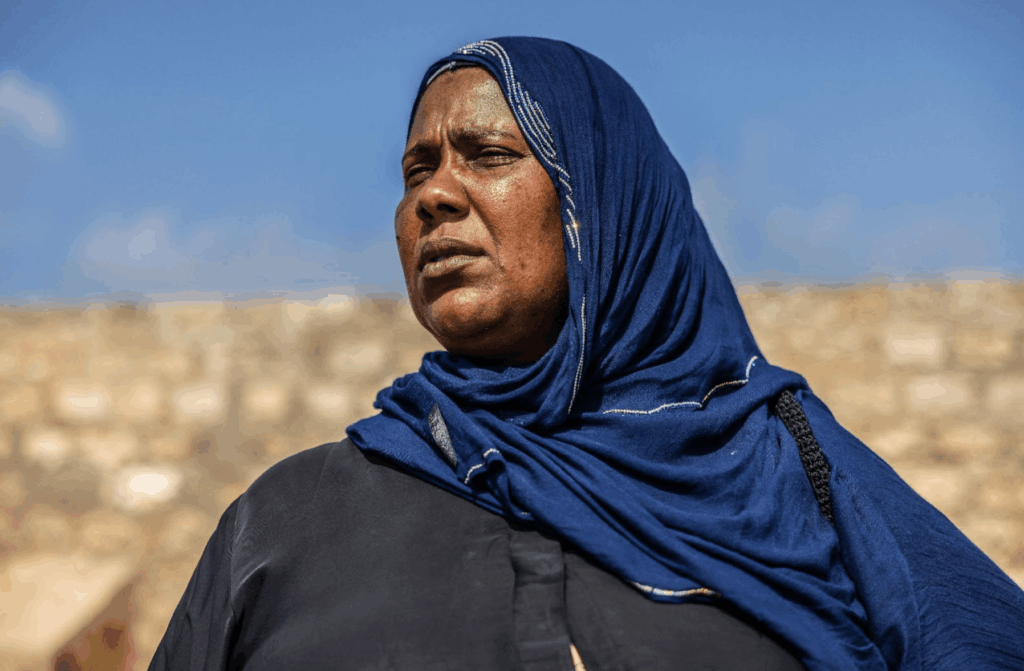
Amina Musa, Credit: Randall Mabwa | Blue Ventures
Since Amina became a leader, women’s representation in the BMU has increased from five to 40 members. As she puts it, “The “matriarchs’” love for the ocean and their resolve to foster community growth is evident.”
“Women are now more involved in the affairs of the community than they ever were, and the men are starting to see the impact of engaging us. For example, in the BMU leadership, men have stood behind me because they have witnessed how women champion for all to succeed.”
Amina Komora, Riziki Said, and Amina Musa are part of a growing movement of Ocean Matriarchs: women helping reshape ocean protection and fisheries governance to better reflect the realities, knowledge, and rights of the communities most connected to the sea.
Together with peers from coastal fishing networks across Africa, they will bring their experiences and expertise to the eleventh Our Ocean Conference. Their voices, and those of countless other women working across small-scale fisheries, must be recognized as central to the future of ocean governance.
Governments and decision-makers should not only acknowledge these leaders, but actively engage with them, learn from their lived experience, and support community-led marine management that is inclusive, equitable, and locally driven.
Because when equity is prioritised, communities become more resilient, decision-making becomes more accountable, and stewardship of marine resources is stronger and more sustainable for everyone.
Credit: Randall Mabwa | Blue Ventures

About the author
Blue Ventures connects coastal communities who are restoring the ocean, supporting people with the resources and partnerships needed to unlock their power and turn local action into global impact.
Related content
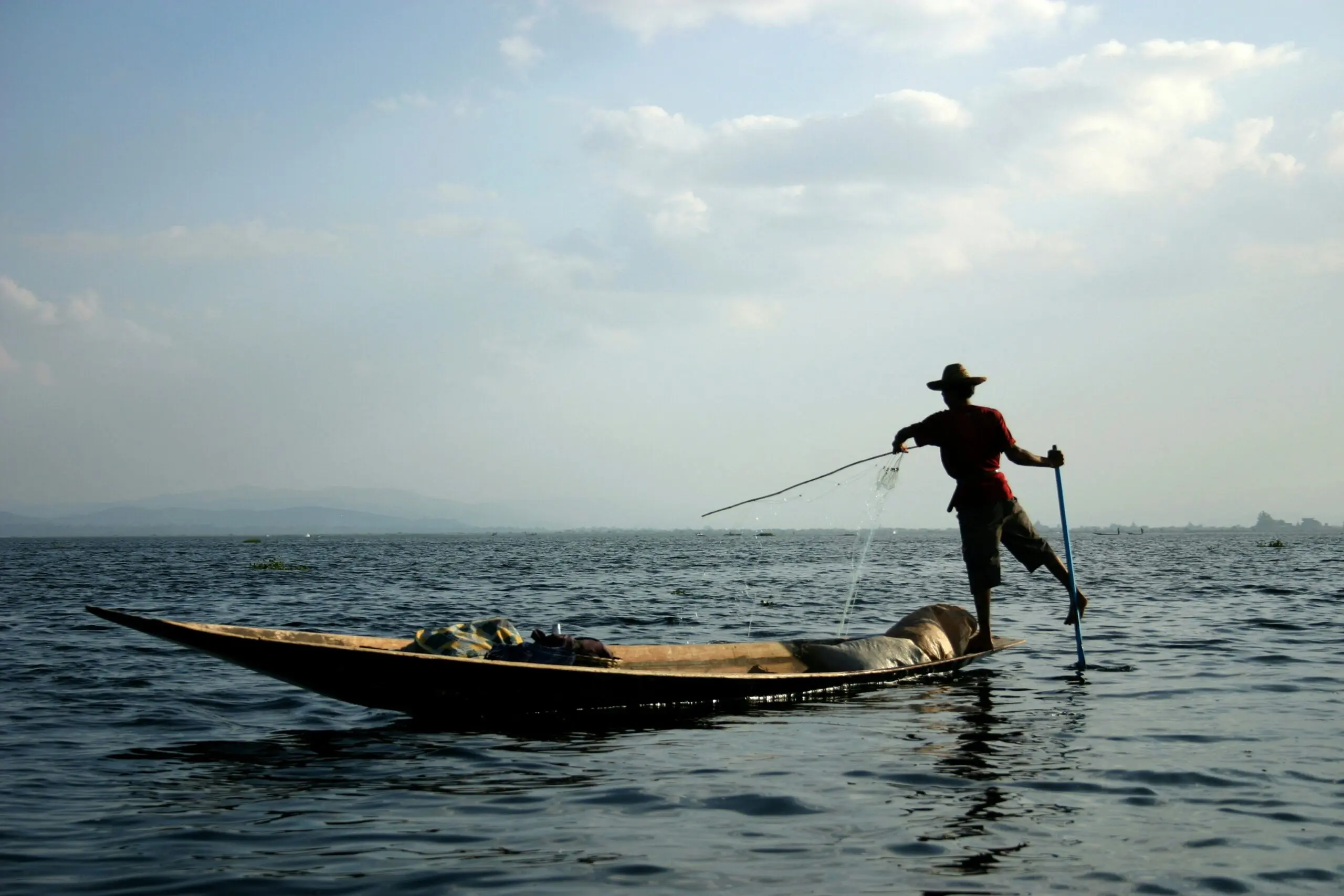 Four years to 2030: scaling effective ocean protection
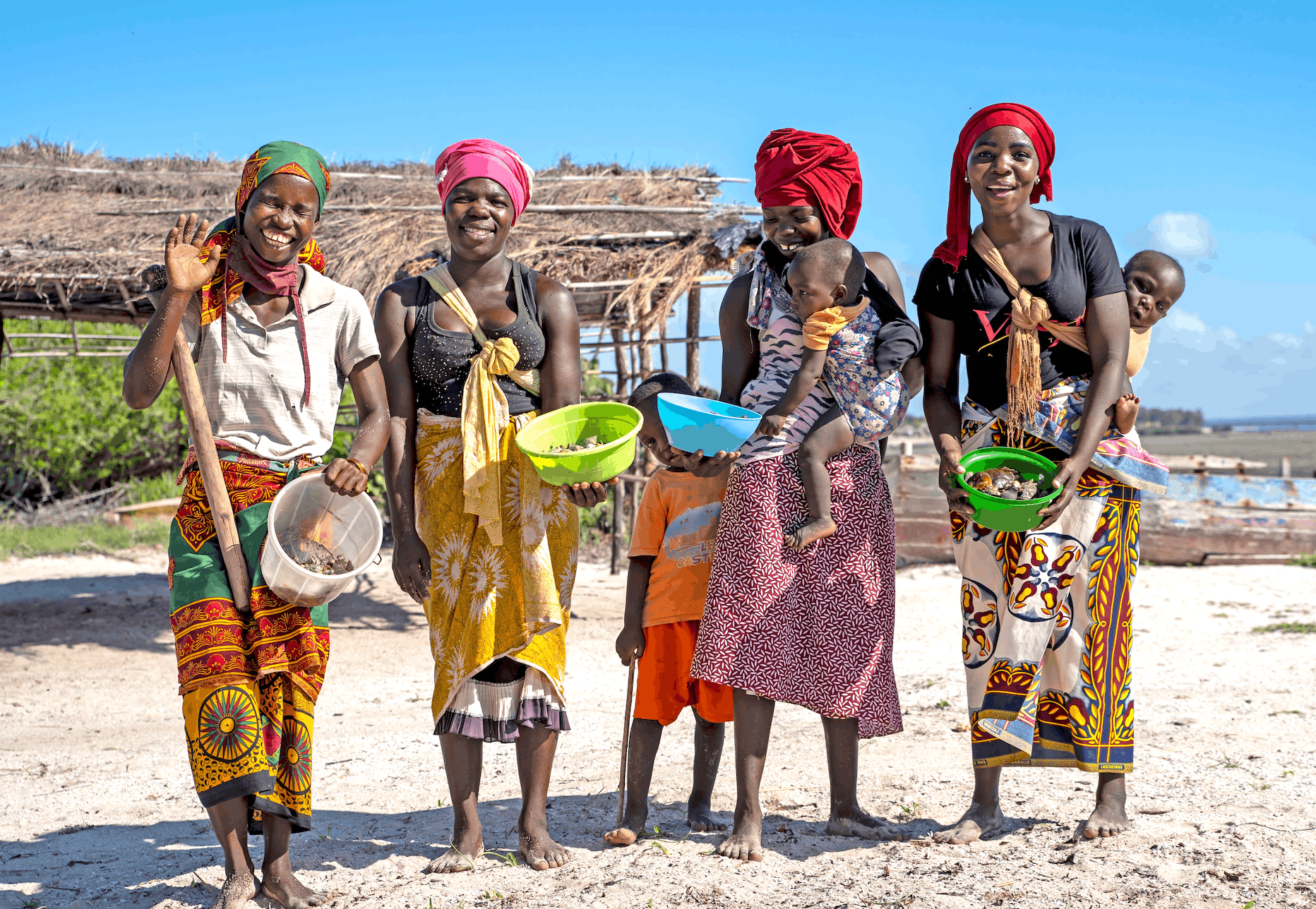 Why 30×30 Depends on Local Leadership
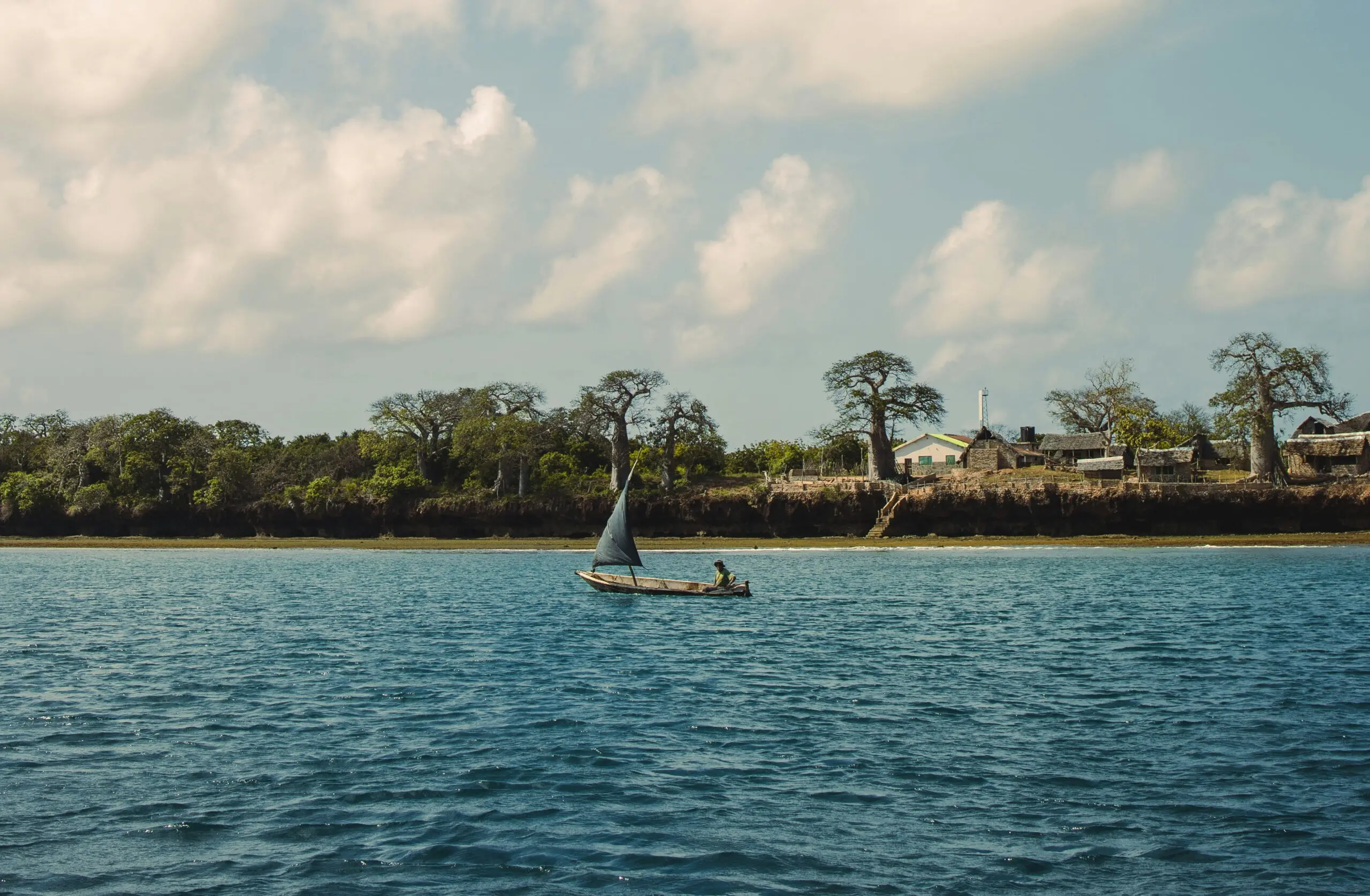 Our Ocean Conference: Why Kenya Is Calling on the World to Protect the Ocean
Share this article
using #ForTheOcean