Marine Prosperity Areas: Aligning Ocean Protection and Coastal Prosperity to Deliver 30×30
Protecting at least 30% of the ocean by 2030 (30×30) is one of the most ambitious global conservation commitments ever made. Yet expanding marine protected areas on paper alone does not guarantee real protection on the water. Marine Prosperity Areas (MPpAs) offer an emerging approach to align ocean protection with coastal livelihoods, ensuring that ecological recovery and human well-being can advance together.
Nearly 10% of the ocean is currently designated as protected, but less than 3% is fully or highly protected from extractive activities. Many areas also remain underfunded, weakly enforced, or disconnected from the communities who depend on them. Too often, marine conservation struggles not because ambition is lacking, but because implementation fails to align ecological recovery with human realities.
At the center of this challenge lies a structural mismatch. Marine ecosystems recover over years or decades, but coastal communities face immediate economic pressures. When conservation requires short-term sacrifice in exchange for long-term ecological gains, social tension can emerge and compliance can erode. Bridging this divide is essential if 30×30 is to become durable rather than symbolic.
Why is this important? Because the ocean regulates our climate, feeds billions of people, and sustains coastal economies worldwide. Then, delivering durable protection requires aligning ecological recovery with the realities faced by coastal communities. Marine Prosperity Areas (MPpAs) were conceived to address this challenge.
WHAT ARE MARINE PROSPERITY AREAS?
Marine Prosperity Areas represent a design evolution in ocean governance. They are locally co-designed, strategically zoned, and financially planned. They represent marine areas that integrate biodiversity protection with community well-being from the outset.
Rather than treating human livelihoods as a downstream benefit of conservation, MPpAs position them as a core component of protection. Ecological safeguards, sustainable fisheries management, participatory governance, and blue economy strategies are developed together, not sequentially.
This integrated approach addresses the timeline mismatch that has challenged traditional conservation models. By combining long-term ecological objectives with near-term socio-economic opportunities such as regenerative tourism, sustainable aquaculture, and ecosystem restoration enterprises, MPpAs aim to create a bridge between ecological recovery and community resilience. In this way, protection becomes a structured pathway toward stability and opportunity.
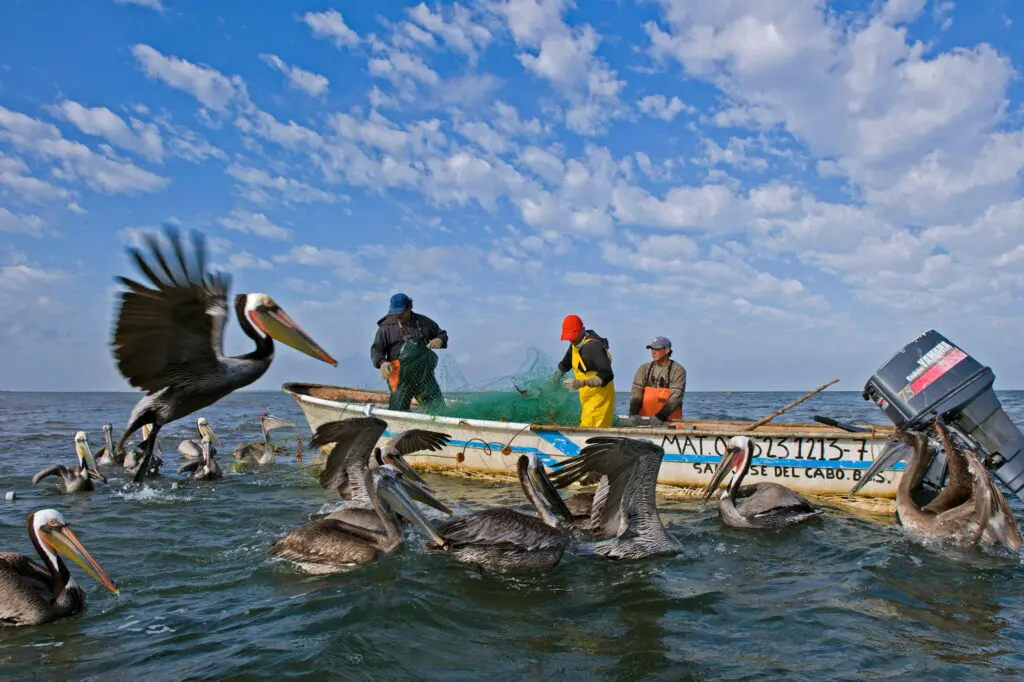
HOW MARINE PROSPERITY AREAS ALIGN OCEAN PROTECTION AND COMMUNITY PROSPERITY
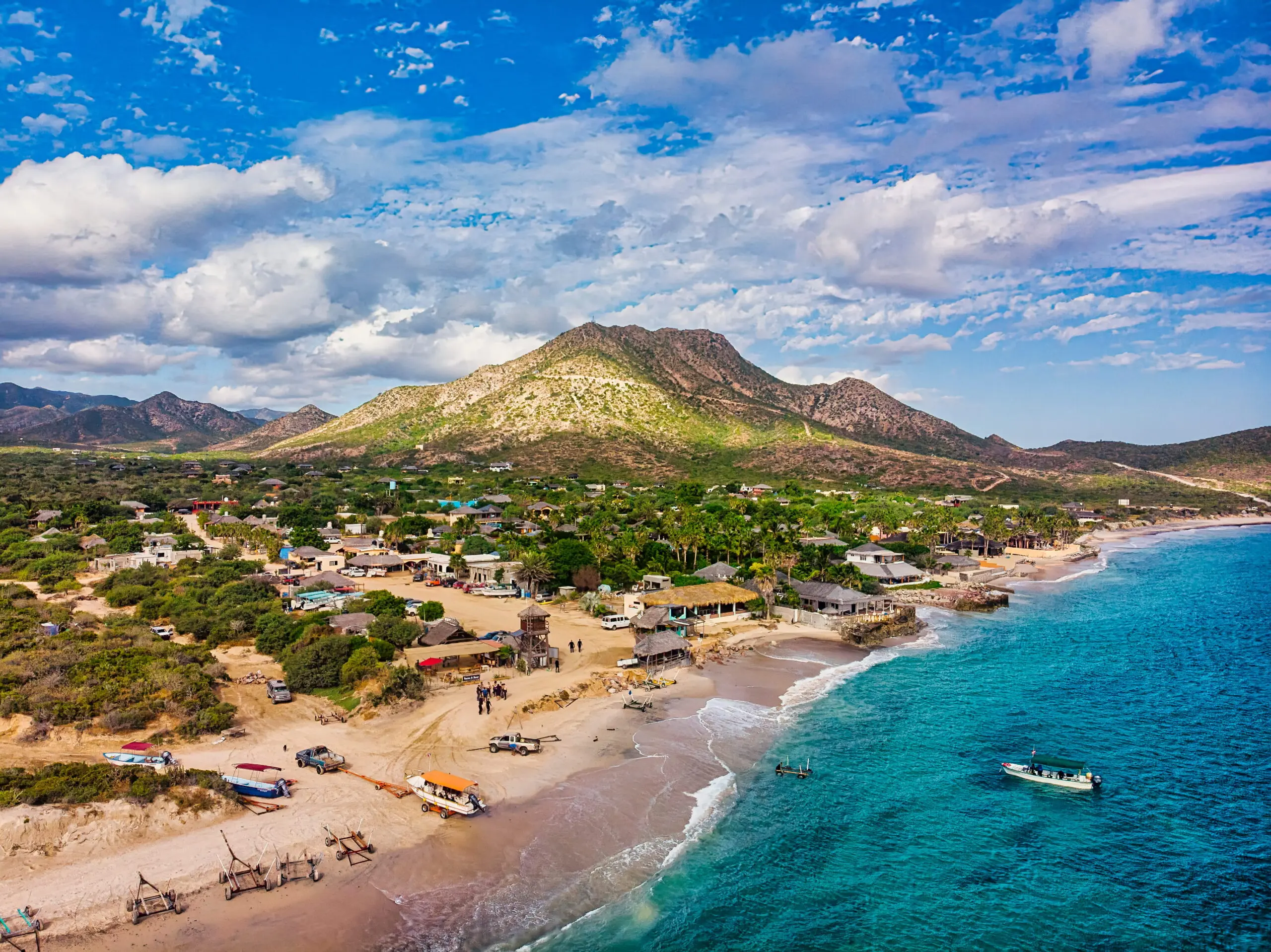
The foundations of the MPpA framework are rooted in decades of experience in the Gulf of California, one of the most biodiverse and productive marine regions in the world.
Cabo Pulmo, a small community of fewer than 200 residents located in southern Baja California Sur, has demonstrated that when communities choose stewardship and align economic transitions with ecological recovery, extraordinary results are possible. In the late 1990s, local fishers established a fully protected marine reserve and shifted their economy toward community-led ecotourism. Within the first decade of full protection, fish biomass increased by more than 400%, transforming a once-degraded reef into a globally recognized conservation success. Cabo Pulmo helped reveal a powerful lesson: ecological recovery is strongest when governance structures and economic incentives move in the same direction.
Across Northwest Mexico, participatory processes have reinforced this insight. From fisheries cooperatives managing marine refuges across the Gulf of California to grassroots initiatives restoring mangroves and coastal wetlands, including efforts led by women’s groups in La Paz (Baja California Sur) and La Reforma (Sinaloa). These experiences show that empowering local leadership is central to conservation durability
Inclusion is not simply ethical; it is strategic. When communities co-design zoning plans, monitoring systems, and economic transitions, compliance strengthens and conflict diminishes. MPpAs build on these lessons by embedding participatory governance and equitable resource management within their design.
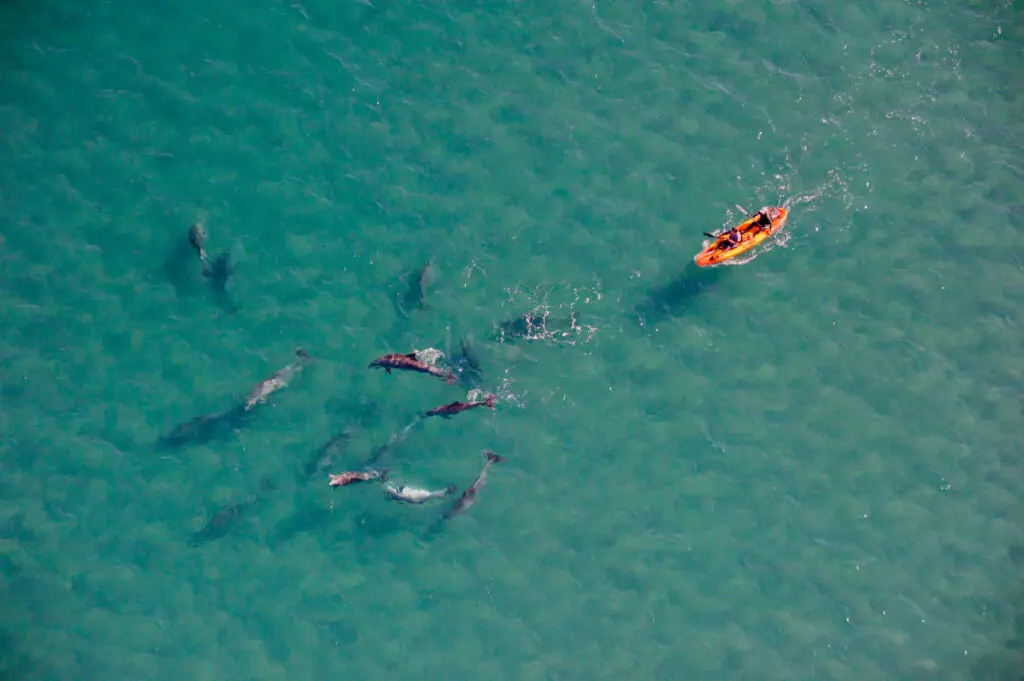
SCALING MARINE PROSPERITY AREAS TO DELIVER 30X30 IN MEXICO
Delivering 30×30 requires more than isolated success stories. It requires institutional alignment.
In Mexico, momentum is already building to embed this approach within national policy frameworks. The federal government, through SEMARNAT (the Ministry of the Environment), has identified Marine Prosperity Areas as a promising model for linking marine conservation with sustainable development in coastal communities. At the same time, recent legislative efforts to incorporate Other Effective Area-Based Conservation Measures (OECMs) into national environmental law are establishing a formal pathway to support and monitor diverse conservation models beyond traditional protected areas. While OECMs are recognized under global biodiversity frameworks and several countries are actively exploring their implementation, progress remains uneven. Mexico is among the first to advance their integration into national legal systems, positioning it as a leading example of how these approaches can be operationalized at scale.
This convergence of policy recognition, legal reform, and local initiative provides a structural foundation for scaling MPpAs beyond individual sites. Rather than functioning as stand-alone projects, Marine Prosperity Areas are envisioned as coordinated regional networks that share governance platforms, monitoring systems, and financing mechanisms to reduce fragmentation and strengthen long-term management.
Mexico’s experience also highlights a broader lesson. Achieving 30×30 will depend on approaches that align ecological ambition with social legitimacy where conservation is supported not only by policy, but by the people who depend on the ocean.
Marine Prosperity Areas offer one pathway toward that goal, demonstrating how conservation can move beyond paper parks and toward living, co-managed seascapes where ecosystems recover and coastal communities thrive.
The challenge ahead is not simply protecting more ocean, it is designing protection that endures. Delivering 30×30 will require investing in models that align conservation with prosperity, ensuring that ocean protection works not only for biodiversity, but for the people whose lives and livelihoods are inseparable from the sea.
Header image credit: Octavio Aburto-Oropeza

About the author
Marisol Plascencia works with coastal communities, scientists, and partner organizations to advance Marine Prosperity Areas as a people-centered pathway for ocean protection in the Gulf of California. Her work focuses on aligning ecological recovery with sustainable coastal livelihoods through collaborative conservation initiatives.