Blue Africa: Working together to accelerate ocean protection on the road to IMPAC6
We are in an important year for African ocean leadership. Ocean protection milestones are rapidly approaching and we contribute to reflections with a sense of urgency on how to ensure we jointly achieve our goals. As a global community, we came together and adopted the Kunming-Montreal Global Biodiversity Framework in 2022 which formalized our joint commitment to protect at least 30%of the global ocean by 2030. We celebrated the subsequent adoption of the Agreement on Marine Biological Diversity of Areas Beyond National Jurisdiction (BBNJ Agreement or High Seas Treaty) in June 2023 and quickly sprung to action to launch its ratification.
The entry into force of this agreement on 17 January 2026 – which we also celebrated together – formally gave us the tools we needed to achieve the protection of the high seas. We must now ensure that the upcoming BBNJ Conference of the Parties (COP1) in January 2027 is successful so that we can promptly designate new and effective marine protected areas (MPAs) in the high seas.
AFRICA’S GROWING LEADERSHIP ON OCEAN PROTECTION
I was extremely pleased to be the voice of African ambition while participating in the first Our Ocean Conference held on African soil, in Mombasa, Kenya, in June 2026. This opportunity provided an important moment for Africa to demonstrate its leadership on ocean conservation, with West African governments all speaking with one voice: there is no time to wait to protect our marine resources, the lifeline of our local communities is at stake. The 6th International Marine Protected Areas Congress (IMPAC6), which Senegal will proudly host in March 2027, the first for Africa, represents another opportunity to turn that momentum into lasting action.
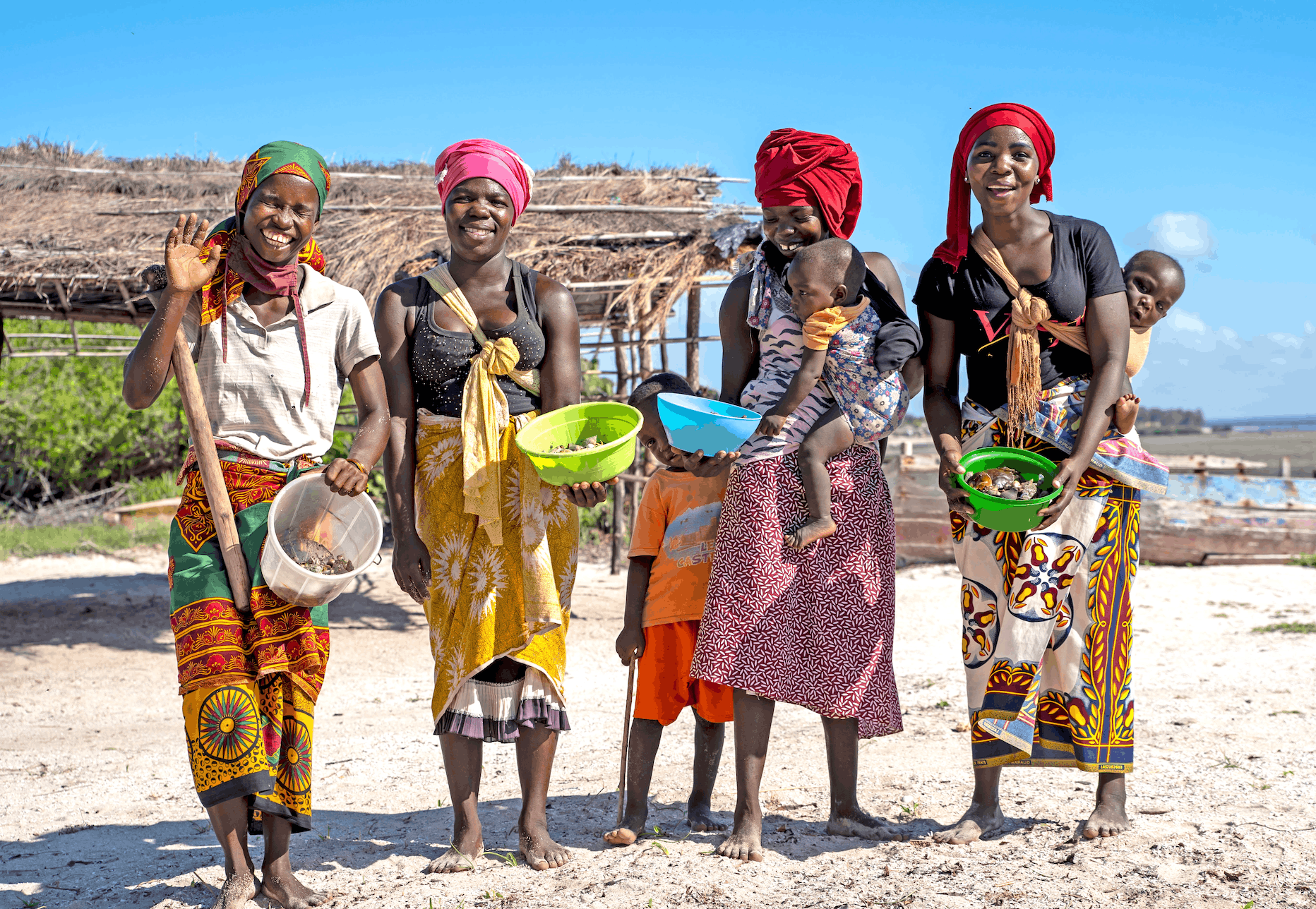
For Senegal, and other African countries, the ocean is much more than the vast blue space that surrounds our coastline. It is a source of food and livelihoods, a foundation of coastal communities and an essential part of our national identity and future. Marine resources provide employment and income for coastal communities and contribute significantly to national food security. Fish, an important part of marine biodiversity, is a central part of the Senegalese diet, making the health of our fisheries directly relevant to the nutrition of our people.
We have reached the mid-way point between 2022, when the global goal to protect at least 30% of the world’s ocean was adopted, and 2030, the deadline for this incredibly important goal to be reached. Our responsibility to succeed for the future of the planet is more pressing than ever before. Expanding the protection of the ocean is an emergency: we cannot expect the ocean to continue providing for our people if we do not give marine ecosystems the space and protection they need to recover.
TURNING AMBITION INTO ACTION IN SENEGAL AND WEST AFRICA
For Senegal, that means turning ambition into action at home, while also working with our West African neighbors to protect the ocean ecosystems we share. We have committed to doubling the surface area of Senegal’s national MPAs, to secure the protection of at least 10% of Senegal’s Exclusive Economic Zone (EEZ) by 2030. This ambitious goal will play a vital role in regenerating marine resources which are on the brink of collapse.
We are also joining forces with The Gambia, Mauritania, and Guinea Bissau to pursue the designation of transboundary offshore MPAs. This collaboration is crucial to ensure we are successful in protecting ecosystems and resources according to their ecological reality rather than according to the lines we have drawn on a map. And because action is also urgent further afield, West African countries are rallying behind the development of a proposal for a highly and fully protected MPA in areas beyond national jurisdiction in the Convergence Zone of the Canary and Guinea Currents. This ecologically rich area stretches from Cape Verde and Senegal to Nigeria and São Tomé and Príncipe and is one of the most biologically and socio-culturally significant marine areas in the world.
These steps are crucial if we are to reverse the damaging cumulative impacts of unsustainable fishing practices, climate change, and pollution. Protecting such connected ecosystems requires countries to work together. I am extremely proud that the significance of hosting Our Ocean Conference in Africa went beyond the location of a single international meeting. It reflected the growing role of African countries in shaping the global ocean agenda.
FROM AFRICAN OCEAN LEADERSHIP TO GLOBAL OCEAN ACTION AT IMPAC6
Senegal’s national MPA commitment, transboundary cooperation among neighboring countries, and the emerging High Seas MPA proposal are all part of this wider movement. The 6th International Marine Protected Areas Congress (IMPAC6) planned in Dakar from 22 to 27 March 2027 will provide another opportunity to turn this leadership into faster, more effective, and enduring marine protection.
Senegal is proud to be taking these steps, but we cannot do this alone. Achieving 30×30 will require stronger regional cooperation, scientific and technical support, sustainable financing, and partnerships that enable countries to translate commitments into implementation. Our ambition is not simply to increase the number or area of MPAs. It is to build an ocean protection system that works for biodiversity, for coastal communities, and for future generations.
If we protect fish stocks, we protect food security. If we protect marine ecosystems, we strengthen the foundations of coastal livelihoods. If we protect connected habitats, we increase the resilience of our ocean to a changing climate. This is the vision Senegal will bring to IMPAC6 – ensuring we deliver as a community to highly and fully protect at least 30% of the ocean by the 2030 deadline we have set.
The upcoming first meeting of the BBNJ COP in January 2027 will be no exception – it will, like all other milestones, be a testament to our ambition and our ability to succeed as a group. Let us not shy away – we have the tools and we must now use them in the prompt and effective designation of MPAs protecting at least 30% of the ocean for the future of our planet and our children.

About the author
His Excellency Dr. Aliou Gory Diouf is a geographer, researcher, and consultant specializing in climate issues, sustainable natural resource management, and territorial resilience. He has been working for more than two decades on the effects of climate change, the adaptation of vulnerable communities, and the preservation of ecosystems. He has a Ph.D. in Geography from Laval University (Canada) and is a former researcher at the Laboratory of Atmospheric and Ocean Physics (LPAO) at Cheikh Anta Diop University (UCAD).His professional background includes Expert for the Global Environment Facility (GEF), the Adaptation Fund (AF), and the Green Climate Fund (GCF). Aliou Gory Diouf also helped design projects to mobilize financial resources for adaptation and resilience programs in Africa and worked at ENDA Energy-Environment-Development. On June 1, 2026, Aliou Gory Diouf was appointed Minister of the Environment and Ecological Transition in the Senegal government led by Ahmadou Alhaminou Mohamed LÔ.
Related content
 Four years to 2030: scaling effective ocean protection
 Why 30×30 Depends on Local Leadership
 Our Ocean Conference: Why Kenya Is Calling on the World to Protect the Ocean
Share this article
using #ForTheOcean