A Turning Point for Ocean Protection in Ghana
FROM EVIDENCE TO ACTION
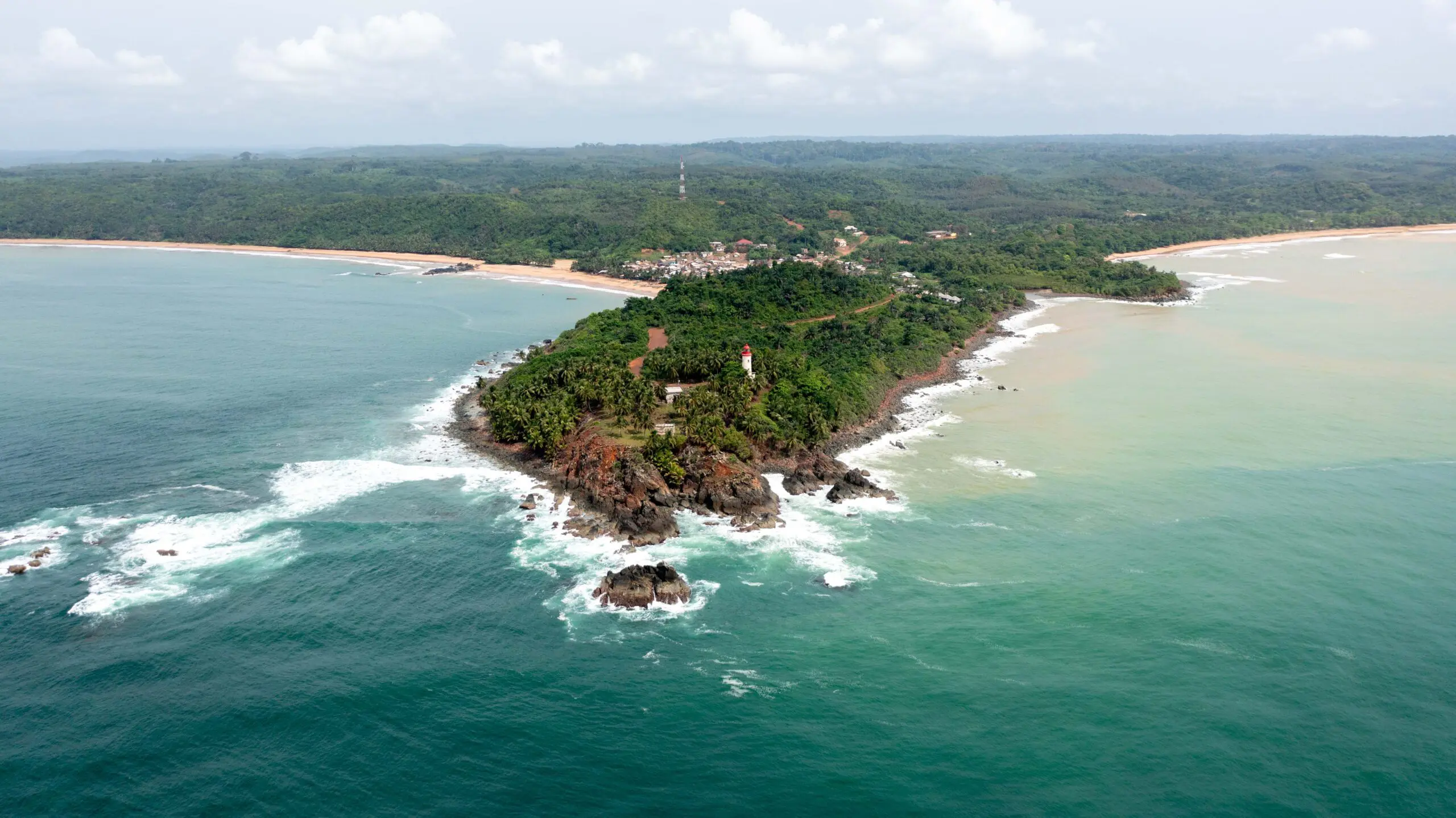
On 14 April 2026, Ghana took a decisive step toward securing the future of its ocean with the declaration of the Greater Cape Three Points Marine Protected Area, its first formally designated marine protected area (MPA).
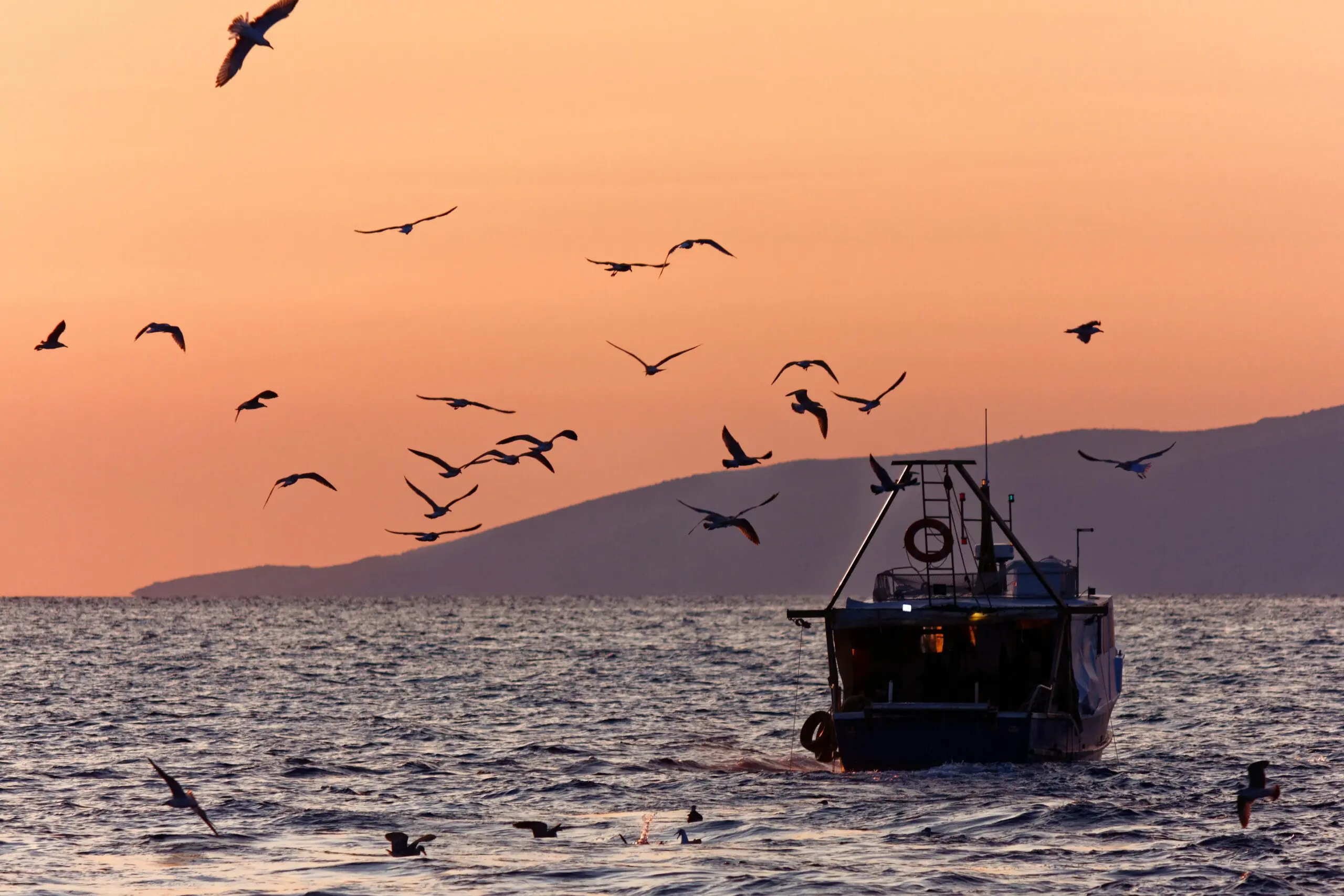
Covering approximately 703.86 square kilometers and comprising 21 coastal communities along Ghana’s Western coastline, this ecologically significant area includes critical fish spawning and nursery grounds, rocky reef systems that support biodiversity, and mangrove ecosystems that protect coastlines and sustain livelihoods. These ecosystems underpin food security, economic activity, and climate resilience, making this landmark declaration a significant step forward in Ghana’s efforts to reform fisheries management and strengthen ocean governance.
This milestone is the result of more than a decade of scientific research, policy development, and sustained stakeholder engagement. From early coastal governance initiatives to recent ecological surveys and national policy reforms, Ghana has built the foundation required to move from ambition to implementation.
Yet this MPA should not be viewed in isolation. It forms part of a broader suite of fisheries management measures aimed at rebuilding fish stocks,embedding sustainability, and restoring abundance. These include closed seasons, strengthened enforcement, restrictions on fishing gear, limits on fleet capacity, and co-management systems. Together, these measures address both fishing pressure and ecosystem health in a coordinated and complementary way.
The process has also been underpinned by a comprehensive legal and policy review to ensure that the establishment of MPAs in Ghana is grounded in existing national laws and aligned with international obligations. The review confirmed there is sufficient legal basis within Ghana’s current framework, including fisheries, environmental, and spatial planning laws, to support the declaration and management of MPAs. It also highlighted the inherently multi-sectoral nature of MPAs, which requires close coordination across ministries, regulatory agencies, and local authorities, as well as clear procedural steps for formal declaration, announcement, and implementation.
COASTAL COMMUNITIES AT THE CENTER
At the core of this initiative is a recognition that conservation must work for people as well as ecosystems.
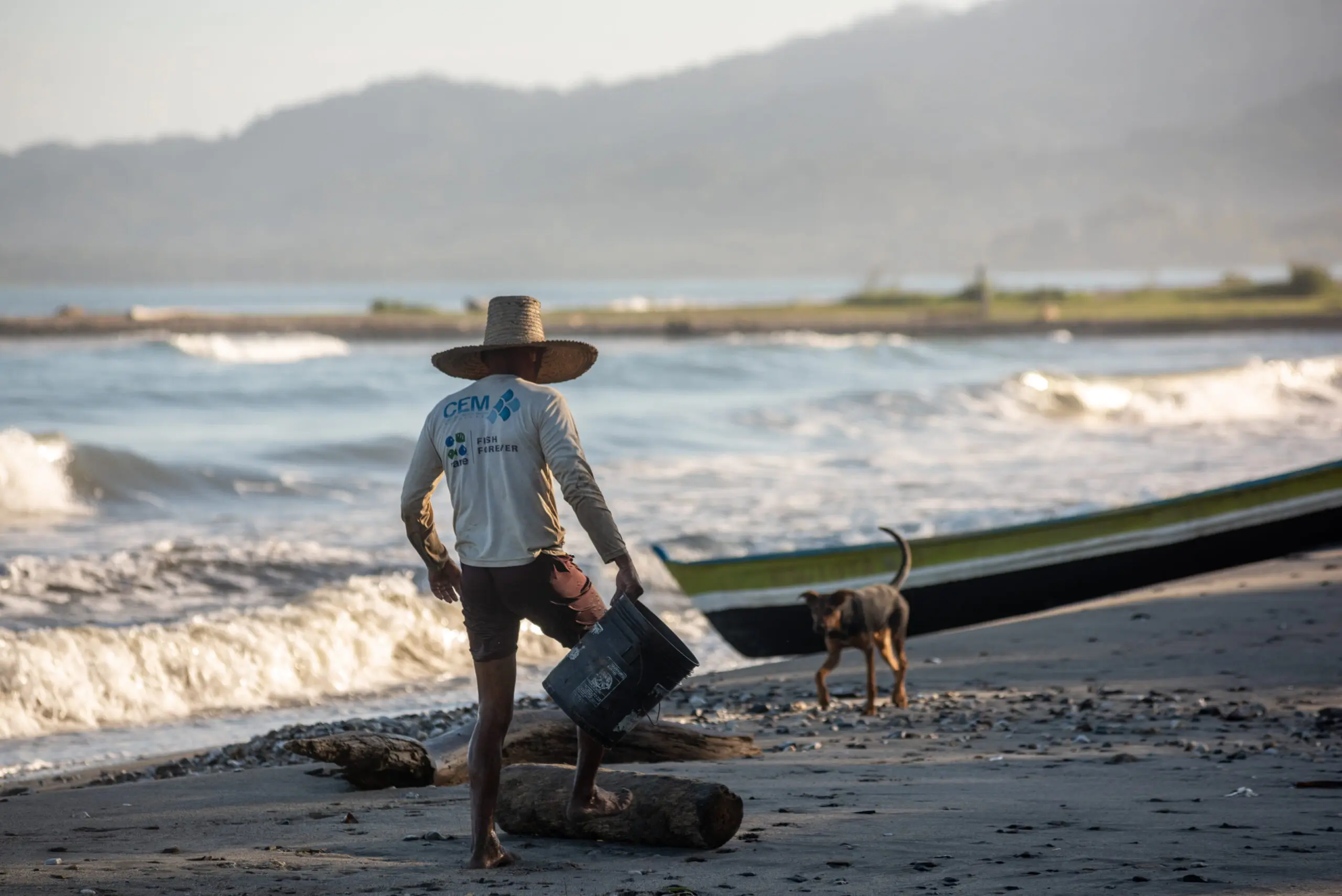
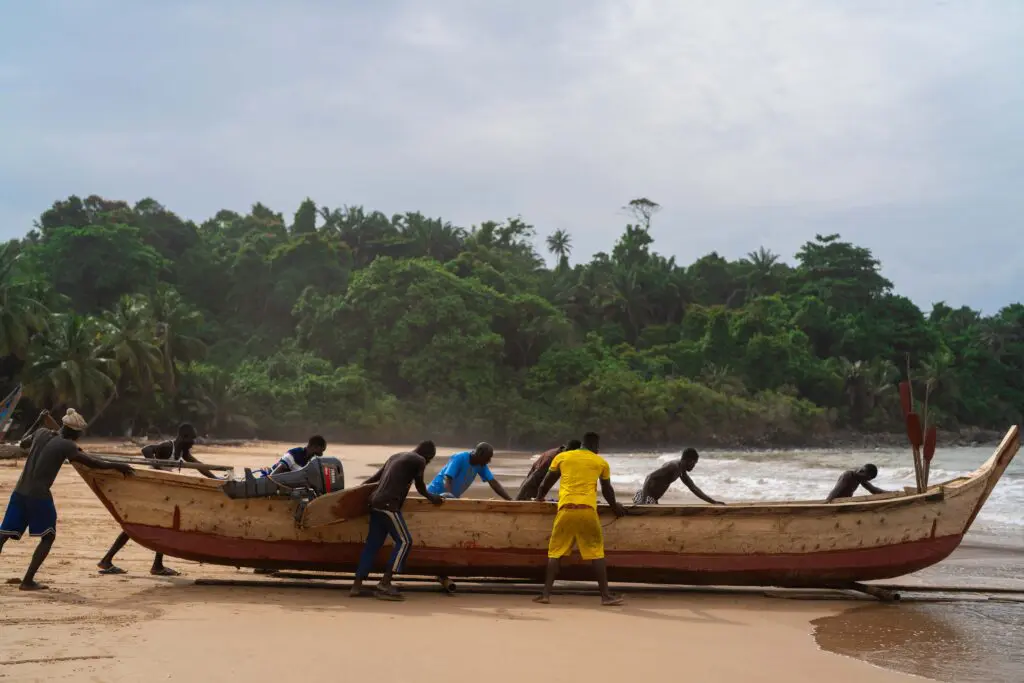
Coastal communities across the Greater Cape Three Points area have long depended on marine resources for their livelihoods. Through extensive stakeholder engagement, fishers, processors, and traditional authorities contributed directly to identifying ecologically important areas, particularly rocky outcrops within the Inshore Exclusion Zone that serve as feeding and spawning grounds.
Their insights were combined with scientific research and incorporated into the MPA design, ensuring the process reflects both local ecological knowledge and empirical evidence. This integrated, co-management approach is essential – strengthening legitimacy, building trust, and enhancing compliance, while ensuring that conservation is not imposed on communities, but shaped for and with them.
OCEAN PROTECTION IS ECONOMIC PROTECTION
Protecting the ocean is not only an environmental priority, but also an economic necessity.
Ghana’s fisheries sector supports the livelihoods of over 3 million Ghanaians, and is central to national food security. Yet key fish stocks, particularly small pelagics – ‘the people’s fish’ – such as sardinella, have experienced severe declines in recent years.
No single intervention can reverse this trend. Measures such as closed seasons and gear restrictions help reduce fishing pressure, while spatial protection ensures that critical habitats can recover and continue to sustain fish populations.
By safeguarding these ecosystems, the MPA complements existing fisheries management measures and contributes to rebuilding stocks, stabilizing catches, and strengthening the resilience of coastal economies. In this sense, ocean protection is not a constraint on development, it is a foundation for it.
ZONING, MONITORING, AND SCIENCE
The effectiveness of this inaugural MPA also lies in how it will be structured and managed.
Rather than imposing blanket restrictions, the MPA will be guided by a structured and inclusive management planning process. An MPA Management Executive Committee, functioning as the apex co-management body and supported by a Technical Advisory Committee, will lead the development of the management plan in collaboration with community structures and relevant institutions. Through this process, the MPA will define appropriate zoning arrangements, where ecologically sensitive habitats, such as rocky reef systems, are likely to receive higher levels of protection, while other areas may allow regulated fishing and livelihood activities. This approach ensures that conservation measures are not only science-based, but also socially informed and locally grounded.
Looking ahead, effective monitoring and enforcement will be critical. Strengthened governance under the Fisheries and Aquaculture Act, 2025 (Act 1146), combined with clear legal procedures for designation and enforcement, will be key to reducing illegal and destructive fishing practices.
At the same time, the MPA provides a platform for continued scientific research, supporting Ghana’s adaptive management systems and allowing space for ongoing learning and an improved understanding of Ghana’s marine ecosystems.
GHANA’S AMBITION FOR THE BLUE
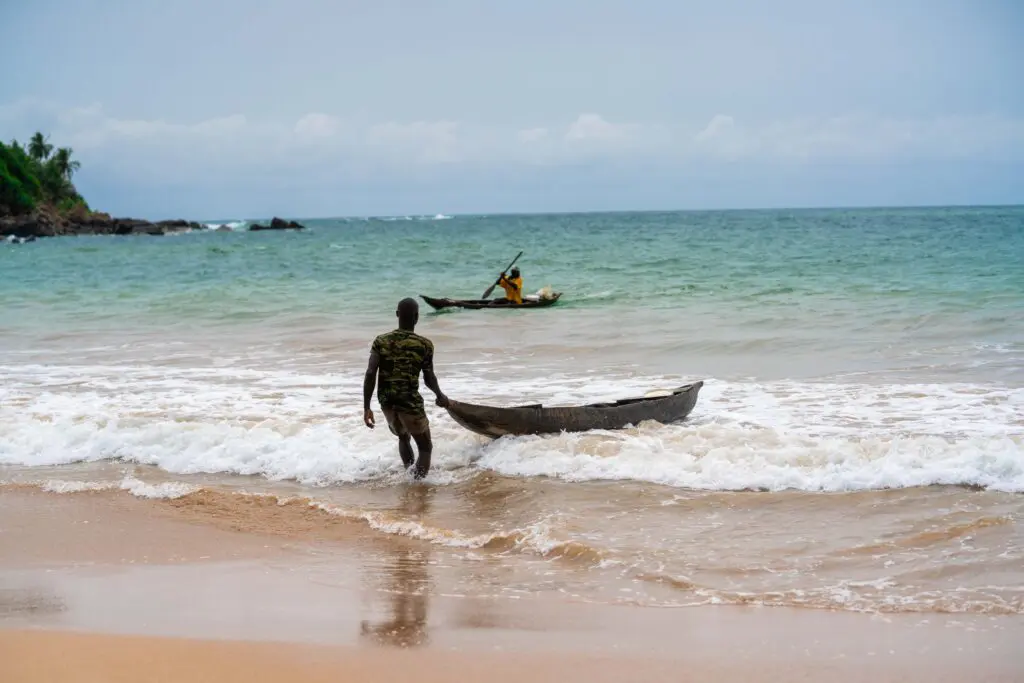
This MPA marks the beginning of a broader national effort to transform ocean governance.
As outlined in Ghana’s emerging Marine Protected Area Strategy (2026–2040), the approach is deliberately phased, starting with priority sites such as the Greater Cape Three Points area, strengthening governance and co-management systems, and progressively expanding toward a coherent national network of effective marine protection.
This reflects a long-term vision: a system of well-managed, ecologically representative, and socially legitimate MPAs that support biodiversity conservation, fisheries recovery, and climate resilience. The goal is not simply to designate protected areas, but to build a durable and effective framework for sustainable ocean management.
30X30: AFRICA LEADS THE WAY
Ghana’s progress comes at a critical moment for global ocean action. The international community is advancing toward the 30×30 target, protecting at least 30%of the ocean by 2030, with platforms such as the Our Ocean Conference continuing to drive commitments and accountability.
Across Africa, countries are increasingly translating these commitments into action, reflecting both ecological urgency and development priorities. Within the Economic Community of West African States, there is growing recognition of the need for coordinated approaches to marine conservation and fisheries management.
Ghana’s first MPA demonstrates that meaningful progress is achievable. It provides a practical example of how science, policy, and community engagement can come together to deliver real outcomes.
A FOUNDATION FOR THE FUTURE
The establishment of the Greater Cape Three Points Marine Protected Area represents a turning point, but it is only the beginning. Its success will depend on effective implementation, sustained investment, and continued collaboration among stakeholders. No single intervention can rebuild fisheries on its own, but together, integrated management measures create a pathway toward recovery.
Ghana has shown that it is possible to move from commitment to action. The opportunity now is to build on this foundation, strengthening systems, expanding protection where appropriate, and ensuring that the benefits of a healthy ocean are shared widely.
Other nations should take note. The future of the ocean depends on collective progress, and Ghana has taken a crucial step forward.
Header image credit: Oceana, Micheal Aboya

About the author
Socrates Segbor is the Country Director of Global Fisheries and Resilience Action (GFRA LBG), where he leads efforts to advance sustainable fisheries management, strengthen marine governance, and promote community resilience. With over 15 years of experience in fisheries policy and practice, he works closely with government, civil society, and international partners to support reforms aimed at rebuilding fish stocks and improving livelihoods in coastal communities.