Defending the Deep: Protecting seamounts and other vulnerable marine ecosystems from bottom trawling
The deep sea is host to some of the most unique and vulnerable life on our planet, but it remains one of Earth’s least explored and protected ecosystems. Life in the deep is one of extremes – of pressure, temperature, and near-complete darkness. And yet, incredible life thrives there. Every expedition to the deep sea returns with discoveries of new species and a greater understanding of the processes which make life in one of the most inhospitable places on our planet possible.
SEAMOUNTS: THE FOUNDATIONS OF AN OCEAN AT RISK
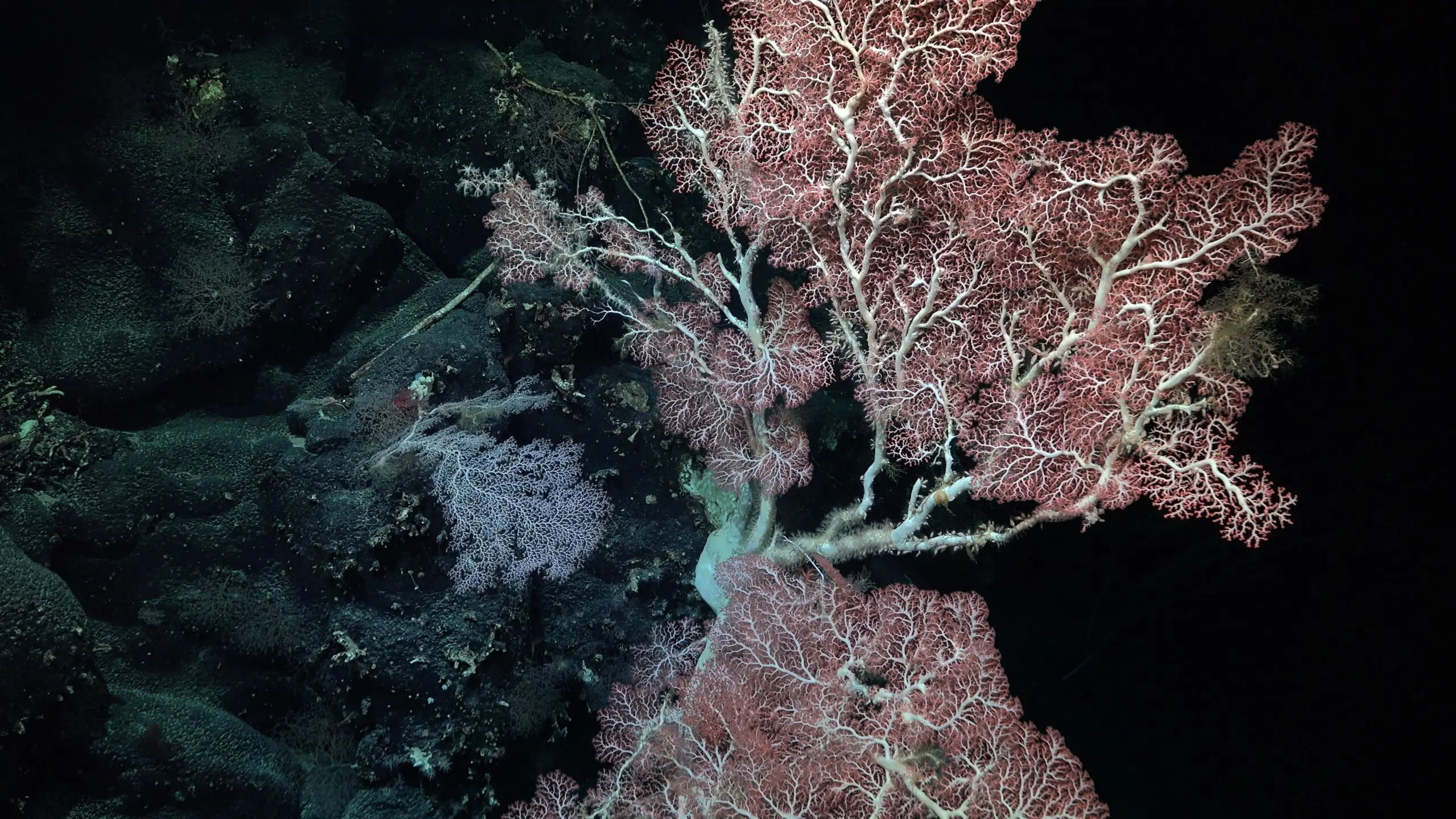
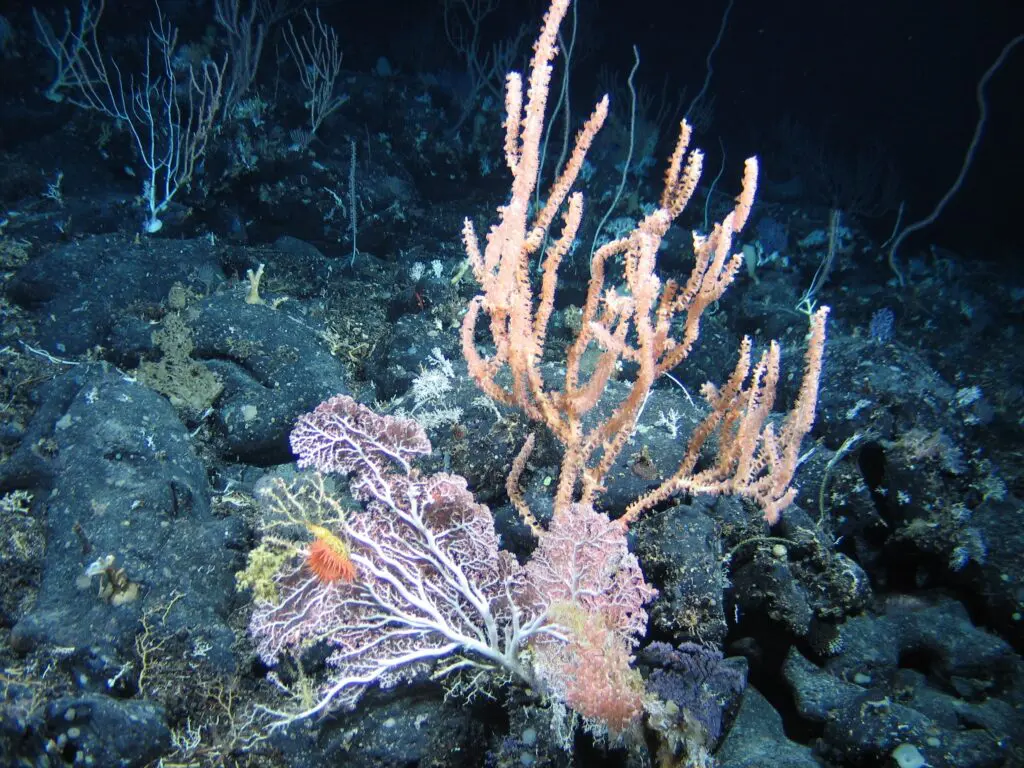
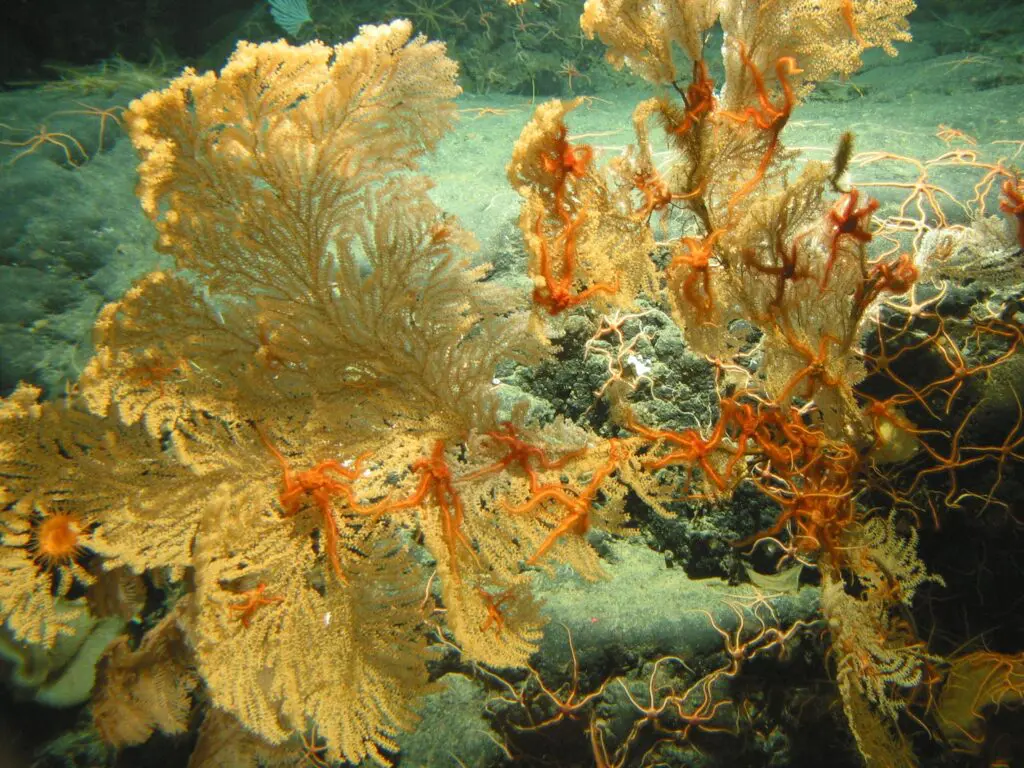
Seamounts – soaring underwater mountains – are irreplaceable oases of biodiversity in the deep ocean, covering almost a quarter of the world’s seafloor. These habitats provide essential refuge for a wide variety of marine life, support intricate oceanic food webs, and are increasingly recognized as being vulnerable to the impacts of the global climate crisis. Seamounts not only serve as breeding and feeding grounds for numerous species, but also as rest stops for whales, sharks, turtles and many more iconic migratory species. The movement of nutrients and ocean currents around seamounts also makes them the perfect place for cold water corals and sponges to thrive, with some seamounts known to host coldwater corals estimated to be 5,000 years old.
However, for decades, seamounts have been targeted by deep-sea bottom trawlers. The abundance of life found on seamounts and in their surrounds makes them ideal targets for the most destructive fishing practice in the ocean. Sir David Attenborough’s recent film Ocean made the often invisible impacts of bottom trawling visible, showing in shocking footage how heavy, weighted nets are dragged across the ocean floor. Seamounts abundant with ancient corals are turned to rubble and entire ecosystems are destroyed in minutes, all in the search for ever-dwindling species which are escaping deeper and deeper in search of food and shelter.
Together with contributing to the loss of biodiversity, and thus exacerbating the current biodiversity crisis, bottom trawling destroys some of the oldest life on Earth; removes vital rest stops, feeding and breeding grounds for migratory species; impacts the ocean’s ability to absorb and store carbon; and releases carbon. Given the interconnectedness of these fragile ecosystems, damage to one habitat or species has the potential to cause a ripple effect across many different areas, species, ecological communities and seamount clusters or chains, from the creatures on the seafloor to the seabirds above the waves. These impacts threaten both ocean biodiversity and the vital services the ocean provides to humanity.
NERC/IUCN seamounts project
COMING TOGETHER TO PROTECT THE DEEP SEA
In 2004, over 1,000 scientists from around the world came together to sign a letter calling on the United Nations to protect seamounts from this destruction. The letter stated “based on current knowledge, deep-sea coral and sponge communities appear to be as important to the biodiversity of the oceans and the sustainability of fisheries as their analogues in shallow tropical seas.”
The letter prompted the international community to come together at the UN General Assembly (UNGA) to commit to the protection of vulnerable marine ecosystems, including seamounts, from some of the most damaging industrial fishing methods, and for the past 20 years, subsequent resolutions and commitments have followed. However, two decades on from the initial UNGA resolution, a handful of countries are still permitting bottom trawling on vulnerable marine ecosystems of the High Seas. Ignoring best available science, they continue the fishing practice that, in 2021, the second UN World Ocean Assessment called the“greatest current threat to seamount ecosystems”.
Throughout the past 20 years, more expeditions and explorations of the deep have uncovered incredible processes, species and habitats, further highlighting the need to protect this still largely unknown realm. So once again, leading scientists from around the world are coming together to highlight the wonders of the deep, the fragility of these ancient ecosystems and the ongoing threats they face, and to restate the critical need for UN member States to implement existing commitments to protect seamounts. The letter from the scientific community urges States to use the tools and governance frameworks that exist to stop this destruction and save thousands of years of history from being wiped out by bottom trawling.
Regional fisheries management organizations (RFMOs) hold a mandate to protect, conserve and manage their regulatory areas for the future sustainability of the fisheries within these areas. In order to deliver on these mandates, the role of seamounts cannot be ignored – not only as convergence places in the open ocean for biodiversity, but as breeding and feeding grounds for commercially important species and, as such, vital for food security.
There has been some progress in the protection of vulnerable marine ecosystems, including seamounts, over the course of the past 20 years, with some RFMOs taking a leading role. In 2005, the General Fisheries Council of the Mediterranean (GFCM) enacted a “groundbreaking” ban on bottom trawling below 1,000m, protecting 43% of Mediterranean seamounts. In 2021, the North Atlantic Fisheries Organization (NAFO) protected all seamounts in its regulatory area from bottom fishing, protecting just over 5% of NAFO’s seabed ecosystems.
NOAA Gulf of Alaska seamount expedition
WHAT NEEDS TO HAPPEN NEXT FOR SEAMOUNTS AND OTHER VULNERABLE MARINE ECOSYSTEMS?
If we are to have any hope of delivering on the ambitious target of protecting at least 30% of the ocean by 2030 (30×30), countries must finally deliver on the protection of seamounts and other vulnerable marine ecosystems, a critical first step on the road to protecting vast swathes of the ocean. The success of the Biodiversity Beyond National Jurisdiction (BBNJ) Agreement – ‘the High Seas Treaty’ – depends on the commitment of States and RFMOs to phase out destructive practices on seamounts and other vulnerable habitats, and to apply consistent conservation measures globally. Full and final implementation of existing commitments is the precedent needed for the world to believe in being able to achieve 30×30 and the High Seas Treaty.
As we look ahead to the UN Bottom Fisheries Review in 2026, key milestones throughout this year provide opportunities to highlight the importance of, and gain support for, protecting seamounts from destructive fishing practices in order to deliver our vision. The IUCN World Conservation Congress in October 2025 is one such moment, where the Seamounts Motion (#32) reaffirms and amplifies calls to action from 2004 alongside an expanded body of scientific evidence and understanding of the destructive impacts of bottom trawling on seamounts and other vulnerable marine ecosystems.
For 20 years, the Deep Sea Conservation Coalition and our growing community of member organizations have been committed to protecting incredible ecosystems of the deep from destruction. We must continue to defend the deep and, in turn, deliver protections for the foundation of not just ocean health, but planetary health.
Header image credit: Schmidt Ocean Institute

About the author
Now in her third decade of ocean advocacy, Sian Owen has worked with a range of civil society organizations worldwide, focused on the shaping and implementation of international policy frameworks. Her work has sought to better integrate the ocean into global processes around sustainable development, biodiversity protection and climate change. As Executive Director, Sian leads the Deep Sea Conservation Coalition in seeking to protect and safeguard the deep ocean against key existential threats such as destructive fisheries and the potential for deep-sea mining.
Related content
 Four years to 2030: scaling effective ocean protection
 The legal fight for Europe’s marine protected areas
 A Turning Point for Ocean Protection in Ghana
Share this article
using #ForTheOcean