Our Ocean Conference: Why Kenya Is Calling on the World to Protect the Ocean
With less than five years remaining to achieve the global 30×30 target, the world faces a defining challenge: turning ambition into effective ocean protection. The 11th Our Ocean Conference in Kenya comes at a critical moment for governments, businesses, communities, and civil society to accelerate delivery, strengthen accountability, and ensure marine conservation creates lasting benefits for both people and nature.
Since its inception in 2014, the Our Ocean Conference has mobilized governments, the private sector, civil society, and communities to make concrete, measurable commitments that protect ocean health while supporting sustainable development.
Over the past decade, OOC has generated 2,900 commitments worth $170 billion – to drive progress on marine protection, sustainable fisheries, climate action, pollution reduction, maritime security, and a thriving blue economy. What sets OOC apart is its focus on delivery. As the OOC Secretariat, we track the progress of all commitments made, publishing an annual report to improve transparency and accountability. To date, more than 80% of commitments are either in progress or complete.
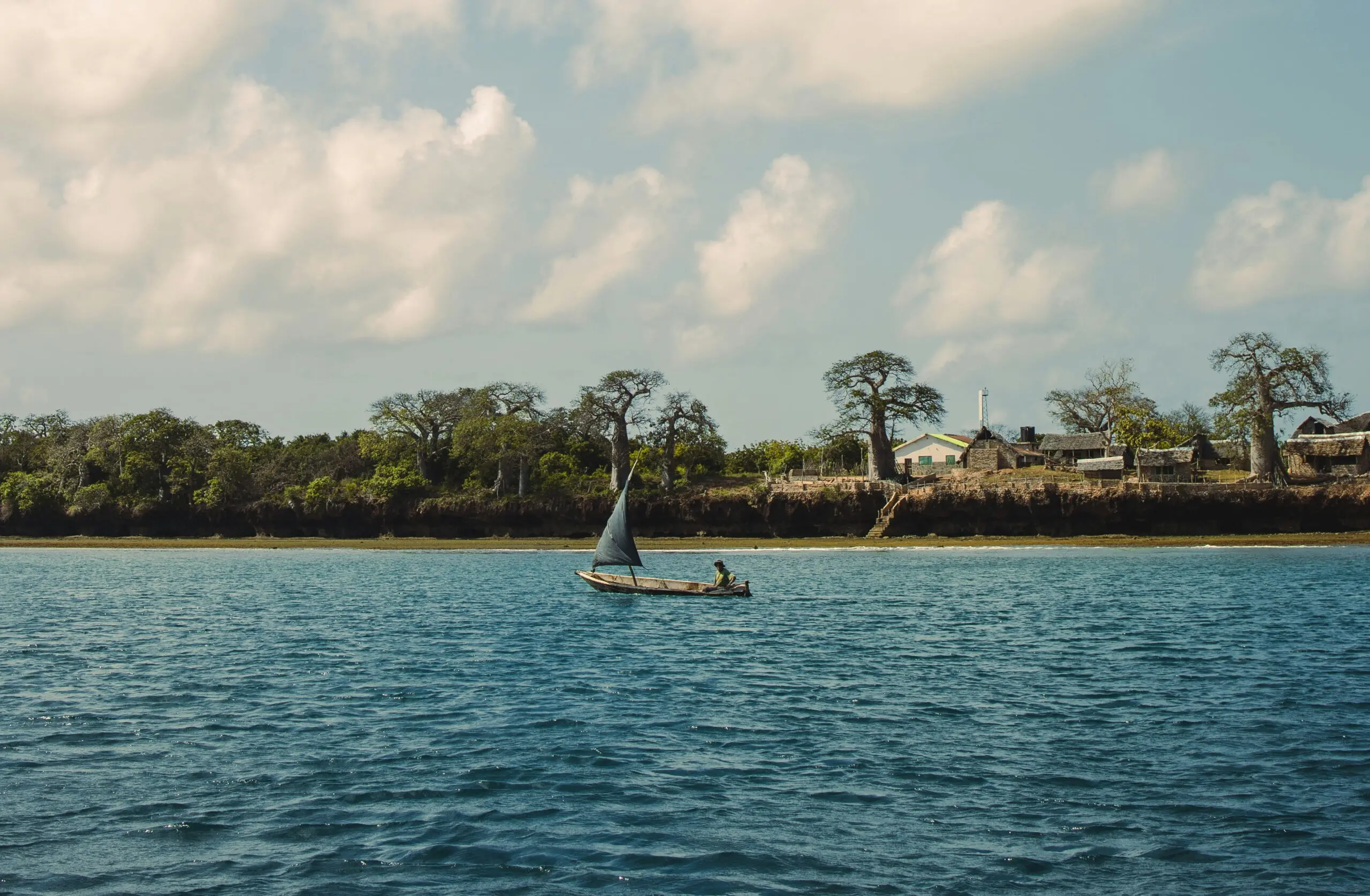
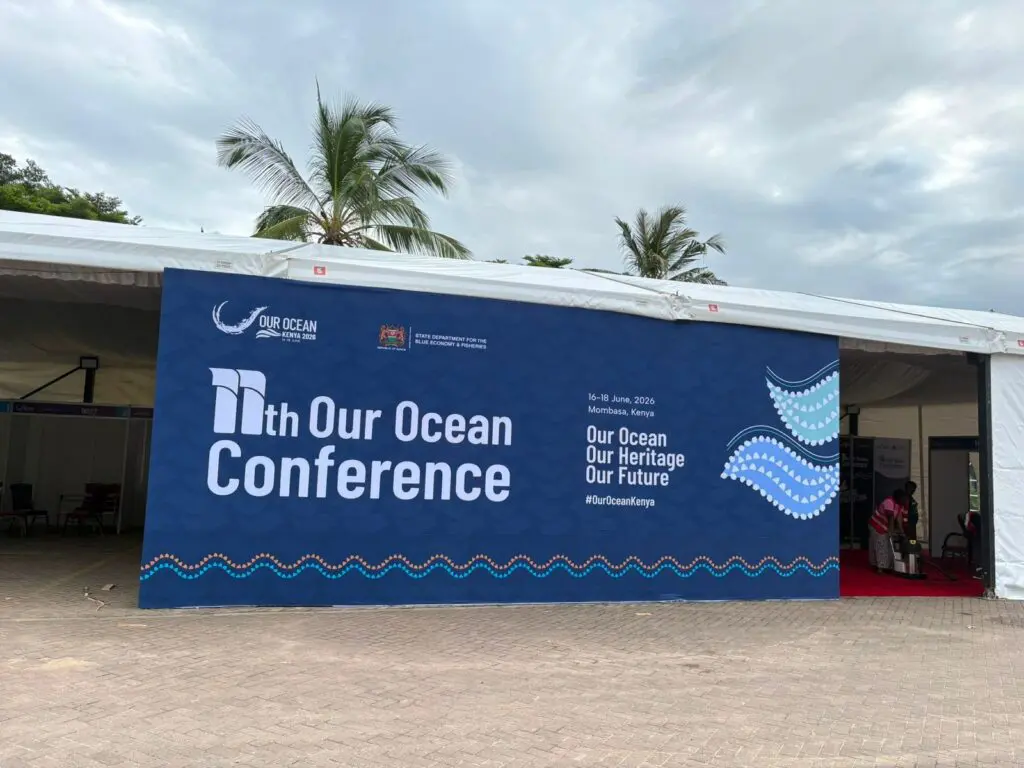
Kenya will become the first African nation to host the Our Ocean Conference, at a pivotal moment for ocean and climate action. This will be both a responsibility and an opportunity – to amplify African priorities, elevate community-led solutions, and help shape the next chapter of global ocean ambition.
AIMS AND AMBITION
At its core, the Our Ocean Conference seeks to:
- Protect marine ecosystems and biodiversity, including through the expansion and effective management of marine protected areas;
- Advance sustainable fisheries and livelihoods, ensuring food security while restoring fish stocks;
- Tackle marine pollution, particularly plastics and land-based sources of waste;
- Strengthen maritime security and governance to combat illegal activities at sea;
- Harness the ocean–climate nexus, recognizing the ocean’s role in mitigation, adaptation, and resilience;
- Unlock a sustainable blue economy, driven by innovation, investment, and inclusive growth.
OOC11 will be guided by these ambitions – and shaped by a host nation whose people, culture, and economy are deeply connected to the ocean.
SCALING EFFECTIVE MARINE PROTECTION FOR 30X30
Achieving the global 30×30 target – protecting at least 30% of the ocean by 2030 – requires more than designation. It demands effective management, sustainable financing, and community partnership.
OOC has been particularly effective at driving support for marine protected areas (MPAs), an essential tool in achieving the 30×30 target. In 2025, 42% of all the world’s MPAs implemented globally could be traced to announcements made at OOC, covering a total of 8.5 million square kilometers.
The Kenyan government has been a longstanding champion of ocean protection. Experience demonstrates that marine conservation is most effective when local communities are co-managers and beneficiaries. OOC11 will highlight pathways to scale marine protection in national waters and the High Seas, while ensuring conservation delivers livelihoods, resilience, and equity.
EMPOWERING COASTAL COMMUNITIES TO DELIVER OCEAN PROTECTION
Sustainable fisheries are essential for food security and livelihoods, yet illegal, unreported and unregulated fishing continues to threaten stocks and economies. At OOC11, Kenya will elevate science-based management and community-led solutions as central pillars of ocean action.
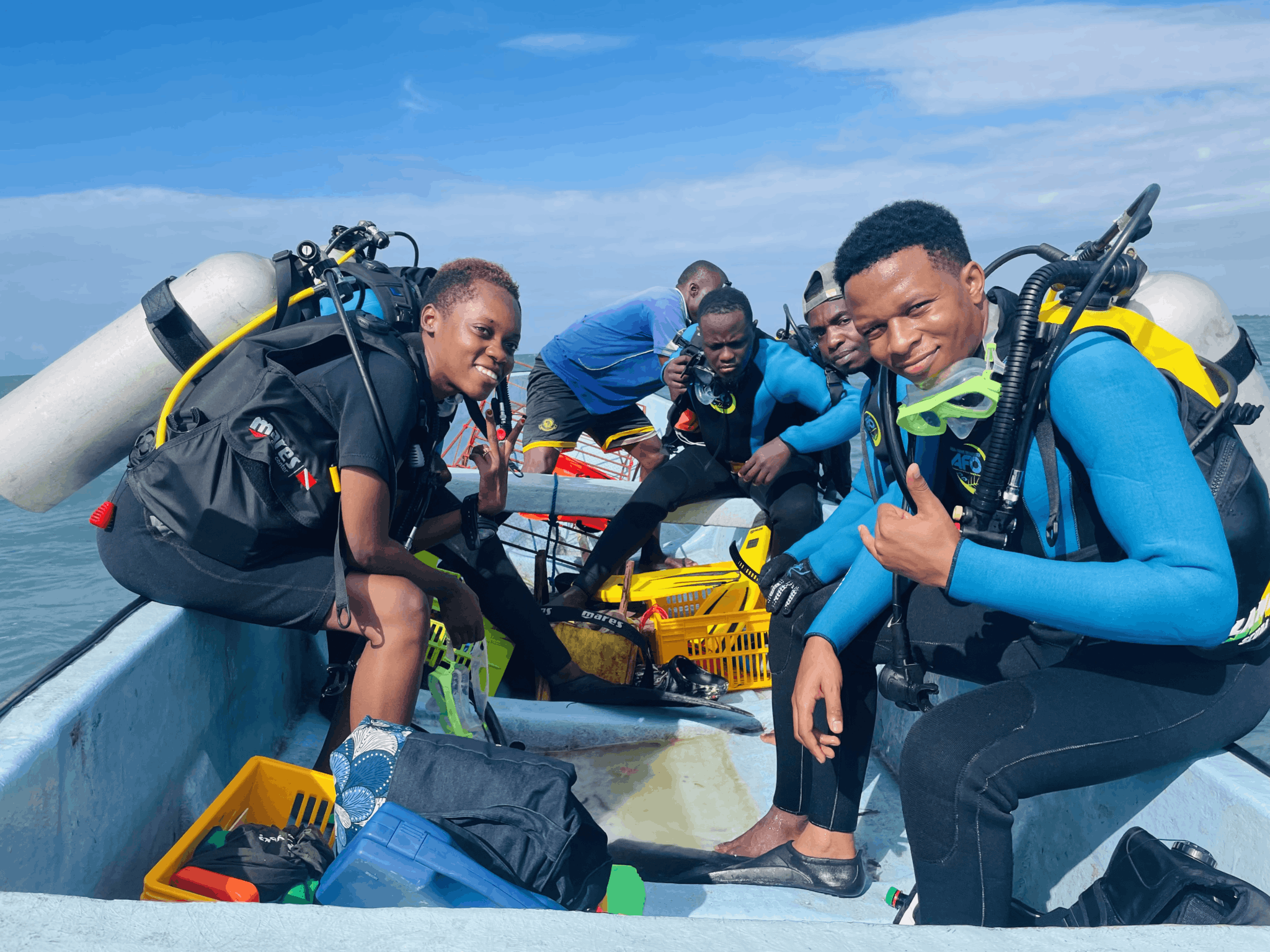
Crucially, OOC11 will champion a bottom-up approach – placing coastal communities, women, and youth at the heart of 30×30 and ocean governance. Their leadership is essential to translating global commitments into real, lasting impact.
TACKLING MARINE POLLUTION – FROM MICRO TO MACRO
Marine pollution, especially plastic pollution, is one of the most visible threats to ocean health. From microplastics entering food systems to macro-plastic waste degrading coastlines and coral reefs, the consequences are profound.
Kenya will use OOC11 to champion solutions that go beyond clean-ups—promoting circular economy approaches, extended producer responsibility, innovation in materials, and stronger waste management systems that prevent pollution at source.
SECURING THE MARITIME DOMAIN
A healthy ocean depends on safe and well-governed seas. Maritime insecurity, including illegal fishing and other transnational crimes, undermines 30×30 efforts, conservation, development, and regional stability.
OOC11 will promote cooperation, technology, and capacity building to strengthen maritime domain awareness and uphold the rule of law at sea – particularly in regions most affected by illegal activities.
ADVANCING THE OCEAN-CLIMATE NEXUS
The ocean is central to the global climate system, yet climate change is placing unprecedented pressure on marine ecosystems and coastal communities. Sea-level rise, warming waters, and extreme weather events threaten lives and livelihoods across Africa.
The majority of the OOC’s financial commitments, $86.8 billion, have gone towards ocean-climate projects, ranging from offshore wind and blue carbon to green shipping – underscoring the recognition of the ocean’s vital role in cutting carbon dioxide emissions.
At OOC11 we anticipate more ambitious ocean-based climate solutions, increased financing for adaptation, and stronger recognition of the ocean’s role in achieving global climate goals.
UNLOCKING A SUSTAINABLE BLUE ECONOMY
Africa’s blue economy is estimated to be worth US$300 billion and employs about 49 million people. This holds immense potential for growth, jobs, and innovation—but only if development is sustainable and inclusive. OOC11 will connect policymakers, investors, and innovators to scale responsible investment in fisheries, aquaculture, shipping, renewable energy, tourism, and marine biotechnology.
It’s essential that a blue economy creates economic opportunity while safeguarding natural capital for future generations.
The challenges facing the ocean are global, but solutions must be practical, inclusive, and rooted in partnership. At OOC11, Kenya invites the world to show up with strong commitments that bring measurable outcomes for fisheries that promote transparency, biodiversity, climate resilience, food security, and livelihoods – for Africa, for the world, and for generations to come.

About the author
Meaghan Cuddy is the manager of the Our Ocean Conference Secretariat at the Worlds Resources Institute. She has worked on four previous Our Ocean Conferences, supporting meaningful outcomes through this platform since 2022. Previously, Meaghan has worked at the United States Department of State and the Smithsonian National Natural History Museum, where she worked to advance ocean policy, science and public education. Meaghan holds a Master's degree in marine science from the University of Texas at Austin, where her worked focused on ecology and biogeochemical cycling in seagrass ecosystems.
Related content
 30×30 starts locally: Why ocean finance must reach conservation organizations
 Why Capacity Development Determines the Future of Ocean Protection
 Investing in the Ocean: Financing the Path to 30×30
Share this article
using #ForTheOcean